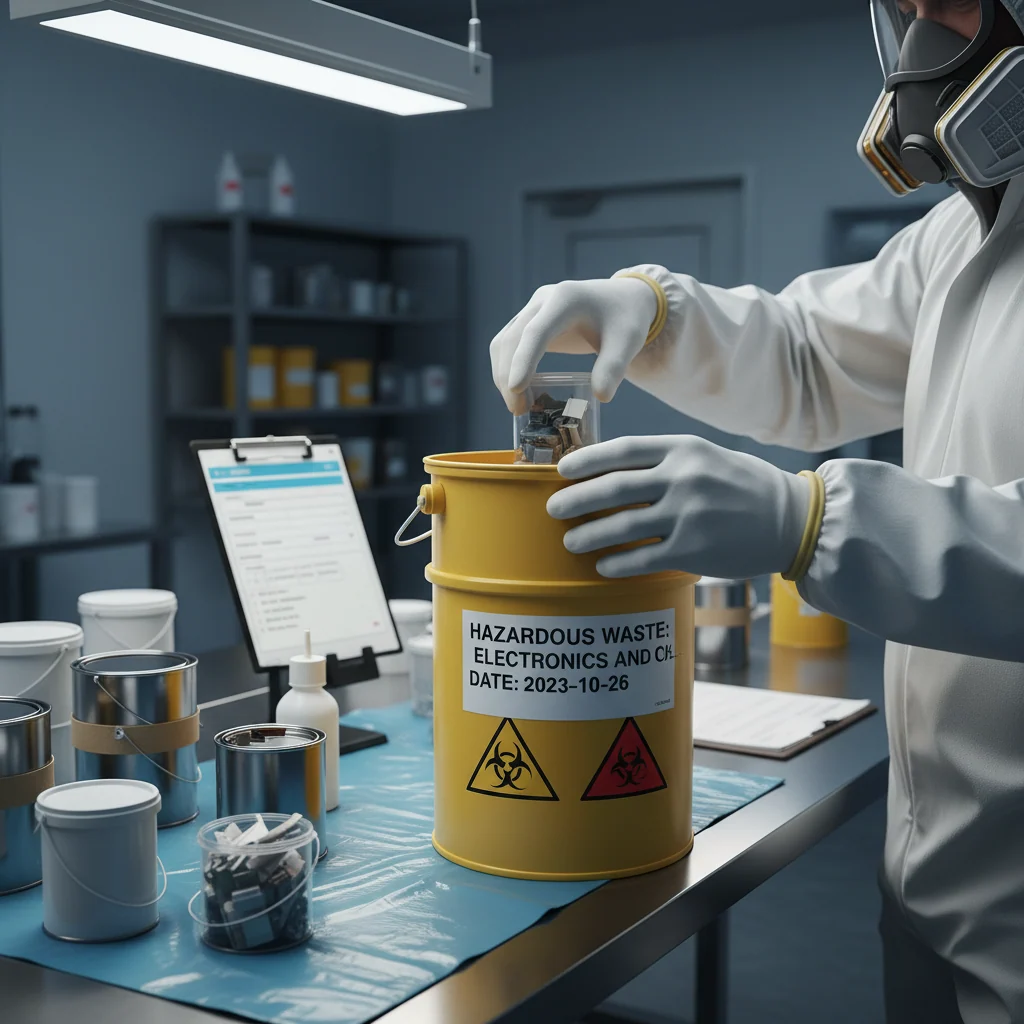
Understanding PFAS: What Are They?
Per- and polyfluoroalkyl substances (PFAS) are a group of man-made chemicals that have been used in various industries around the globe since the 1940s. These substances are found in everyday products like non-stick cookware, water-repellent clothing, and even certain firefighting foams. Despite their widespread use, PFAS have been linked to various health concerns, leading to increased public scrutiny and misconceptions.

Common Misconceptions About PFAS
There are several misconceptions surrounding PFAS and their impact on public health. One major misconception is that all PFAS are the same. In reality, this group of chemicals includes thousands of different compounds, each with unique properties and health implications. Understanding these differences is crucial for accurate risk assessment and management.
Another common belief is that PFAS are universally harmful. While some PFAS compounds have been linked to adverse health effects, it's essential to understand that not all PFAS carry the same risks. Research is ongoing to identify which specific compounds pose significant health threats.

Health Impacts of PFAS Exposure
Exposure to certain PFAS has been associated with health issues such as high cholesterol, liver damage, thyroid disease, and increased risk of certain cancers. The extent of these effects can depend on various factors, including the level and duration of exposure. It's important to note that more research is needed to fully understand the long-term health impacts of PFAS.
Regulatory Efforts and Public Health
Governments and regulatory bodies worldwide are taking steps to manage PFAS exposure. The Environmental Protection Agency (EPA) in the United States, for example, has set guidelines and limits for PFAS in drinking water. These measures aim to protect public health and minimize potential risks associated with these chemicals.

What Can Individuals Do?
Individuals can take proactive steps to reduce their exposure to PFAS. Here are some practical tips:
- Use PFAS-free cookware and food packaging.
- Check labels on personal care products and opt for PFAS-free options.
- Stay informed about water quality reports and use water filters if necessary.
By being aware and taking these steps, people can contribute to reducing their PFAS exposure and advocate for broader regulatory actions.

The Future of PFAS Research
As research continues, scientists are working to develop safer alternatives to PFAS and improve methods for detecting and analyzing these chemicals in the environment. The future of PFAS research looks promising, with a focus on innovation and sustainability.
Addressing misconceptions about PFAS and understanding their true impact on public health is crucial for making informed decisions. By staying educated and engaged, we can work towards a safer and healthier future.
Part of the EcoGuardian journal. This article retains its original publication context; references to grants, regulations, research, and services may have changed since publication.