Case Study: Successful PFAS Mitigation in Walton County, FL


Introduction to PFAS Mitigation
Per- and polyfluoroalkyl substances (PFAS) have become a pressing environmental and public health concern across the United States. Walton County, Florida, faced significant challenges with PFAS contamination in its water systems, prompting a comprehensive mitigation strategy that has since been hailed as a model for other regions.
Understanding the PFAS Challenge
PFAS are synthetic chemicals found in various industrial and consumer products. Known for their resistance to water, heat, and oil, these "forever chemicals" can persist in the environment and human body for extended periods, posing potential health risks.
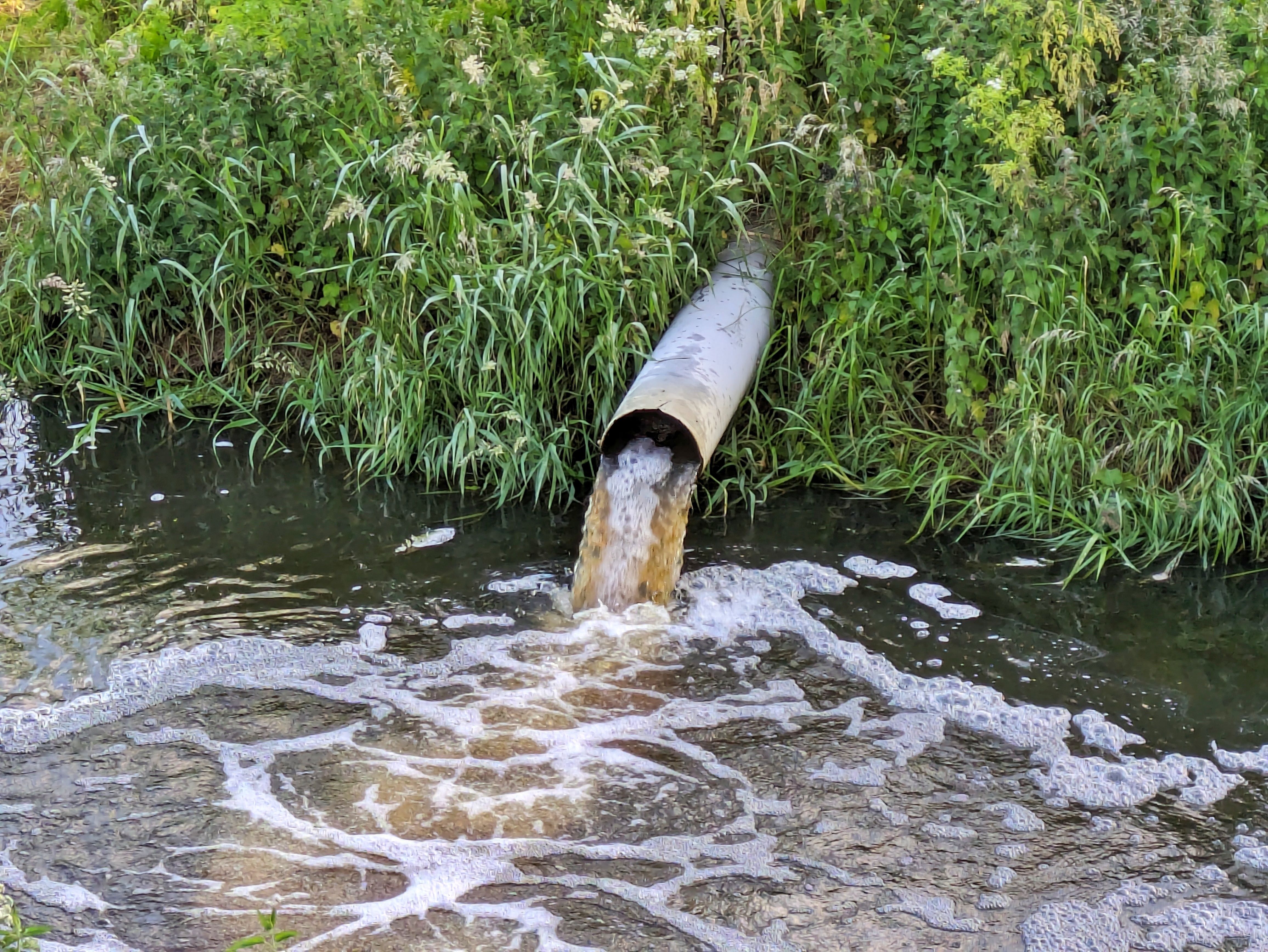
In Walton County, PFAS contamination was detected in multiple water sources, affecting both residential and commercial areas. The primary sources included runoff from nearby industrial sites and legacy pollutants from discontinued firefighting foams.
Developing a Strategic Approach
Walton County's response to the PFAS issue involved a multi-faceted approach. The county collaborated with environmental agencies, local stakeholders, and scientific experts to devise a comprehensive mitigation plan. The strategy focused on three core areas:
- Assessment and Monitoring: Regular testing of water sources to assess PFAS levels and track changes over time.
- Remediation Techniques: Implementing advanced filtration systems and exploring innovative technologies to remove PFAS from contaminated sites.
- Community Engagement: Educating the public about PFAS risks and involving them in decision-making processes.

Implementation and Outcomes
The implementation of this strategy began with the installation of state-of-the-art filtration systems in key locations, significantly reducing PFAS levels in affected water supplies. Additionally, the county invested in research partnerships to explore cutting-edge remediation technologies like activated carbon and ion exchange.
Community outreach played a critical role in the success of Walton County's initiatives. Regular town hall meetings and informational seminars ensured that residents were informed and empowered to participate in the mitigation process.
Lessons Learned and Future Directions
Walton County's experience offers valuable insights for other regions grappling with PFAS contamination. Key lessons include the importance of stakeholder collaboration, transparency with the public, and ongoing research and adaptation to new technologies.

Looking ahead, Walton County plans to continue its monitoring efforts and explore additional remediation methods to ensure long-term environmental health. The county's proactive stance serves as an inspiring example of how communities can address complex environmental challenges effectively.
Conclusion
Walton County's successful PFAS mitigation efforts underscore the power of collaborative action and innovative solutions. As more communities face similar environmental issues, the strategies employed here may serve as a blueprint for achieving safe and sustainable water quality.