Introduction
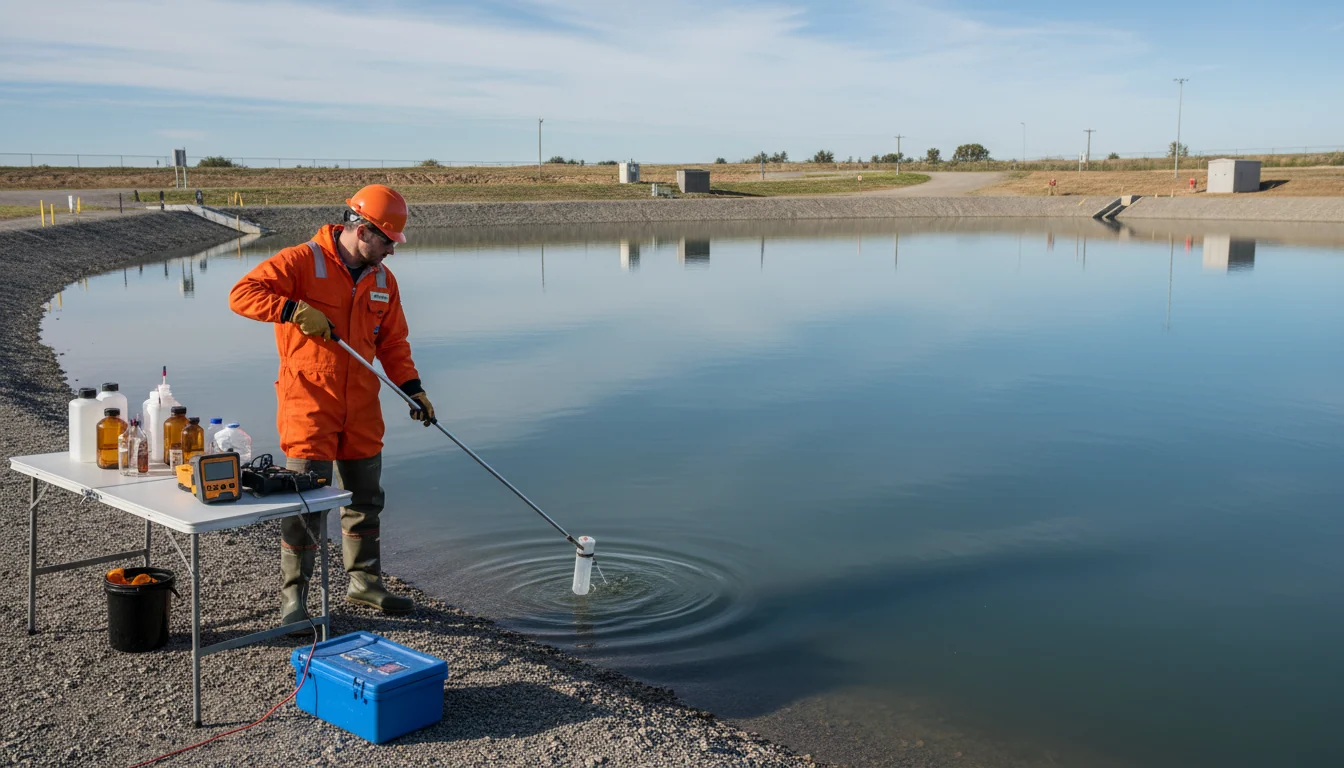
In recent years, the issue of PFAS (per- and polyfluoroalkyl substances) contamination has gained significant attention due to its impact on the environment and human health. Walton County has emerged as a leader in tackling this challenge through effective mitigation strategies. This case study explores the successful efforts implemented in Walton County to address and reduce PFAS contamination.
Understanding PFAS and Its Impact
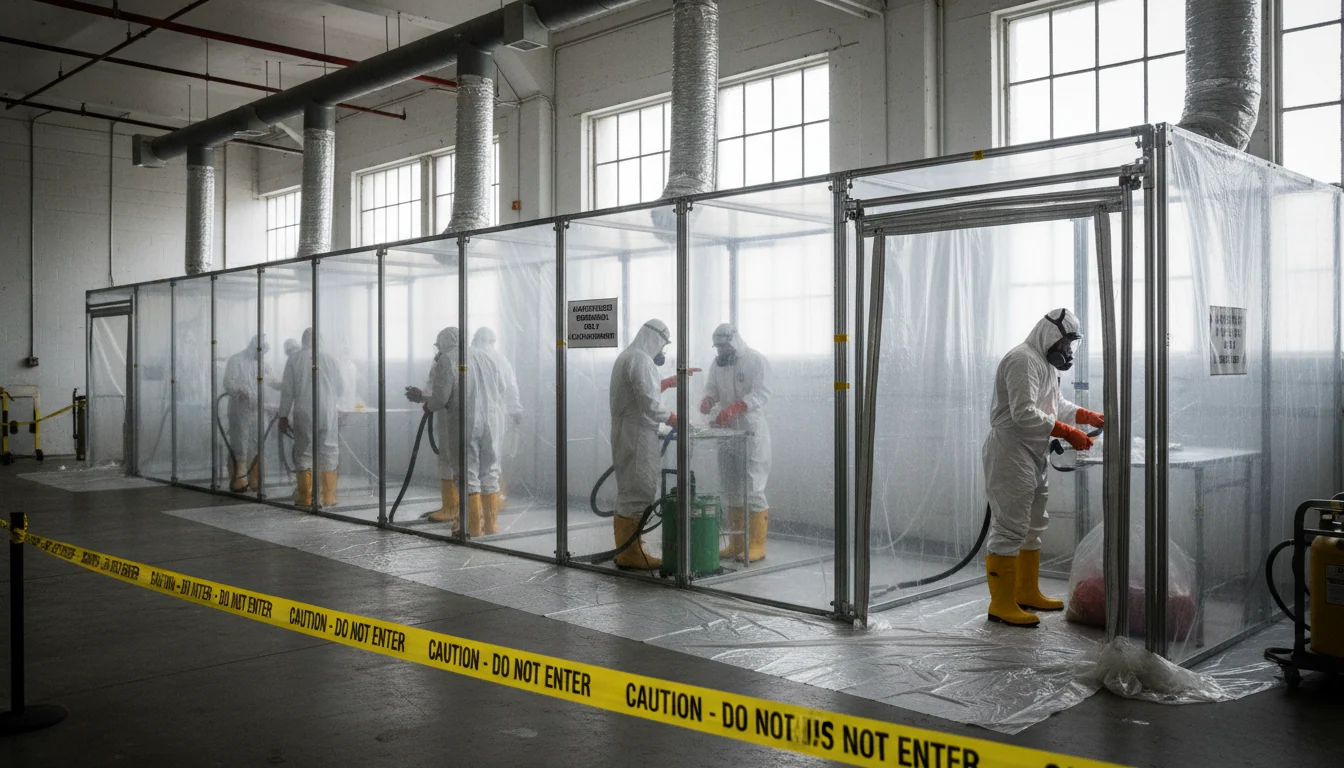
PFAS are a group of man-made chemicals used in various industrial and consumer products for their resistance to heat, water, and oil. Unfortunately, these chemicals have been linked to adverse health effects, including cancer and liver damage. Their persistence in the environment has posed a significant challenge for communities worldwide.
Walton County recognized the urgency of addressing PFAS contamination due to its potential impact on drinking water sources and local ecosystems. The county's proactive approach has set a benchmark for other regions dealing with similar issues.
Strategic Planning and Collaboration
The success of PFAS mitigation in Walton County can be attributed to a well-coordinated strategy involving local authorities, environmental agencies, and community stakeholders. A task force was established to assess the extent of contamination and develop an actionable plan.

Collaboration with environmental scientists and industry experts played a crucial role in devising effective solutions. Regular workshops and meetings facilitated open communication and ensured that all parties were aligned in their objectives.
Innovative Mitigation Techniques
Walton County implemented several innovative techniques to mitigate PFAS contamination. These included the use of advanced filtration systems to treat affected water supplies and the introduction of soil remediation processes to prevent further leaching of PFAS into the environment.
- Installation of granular activated carbon filtration systems.
- Adoption of ion exchange technology for water treatment.
- Implementation of soil washing and stabilization techniques.

Community Engagement and Education
A key component of Walton County's success was its commitment to community engagement and education. Public awareness campaigns were launched to inform residents about the risks associated with PFAS and the steps being taken to mitigate them.
Workshops and informational sessions empowered community members to participate actively in cleanup efforts. This not only fostered trust but also ensured that residents were informed about the safety of their drinking water.
Results and Future Plans
The comprehensive approach adopted by Walton County has led to a significant reduction in PFAS levels in the water supply, with ongoing monitoring demonstrating continued progress. The success of these efforts has paved the way for future initiatives aimed at further reducing environmental contamination.
- Continued monitoring and assessment of PFAS levels.
- Expansion of mitigation techniques to other affected areas.
- Ongoing collaboration with scientific and governmental bodies.

Lessons Learned
The experience of Walton County highlights several key lessons for other communities facing similar challenges. The importance of early detection, community involvement, and collaboration with experts cannot be overstated. These elements, combined with innovative technology, can lead to effective and sustainable solutions.
As more regions look to tackle PFAS contamination, Walton County serves as a model of how strategic planning and community engagement can lead to successful outcomes.
Part of the EcoGuardian journal. This article retains its original publication context; references to grants, regulations, research, and services may have changed since publication.