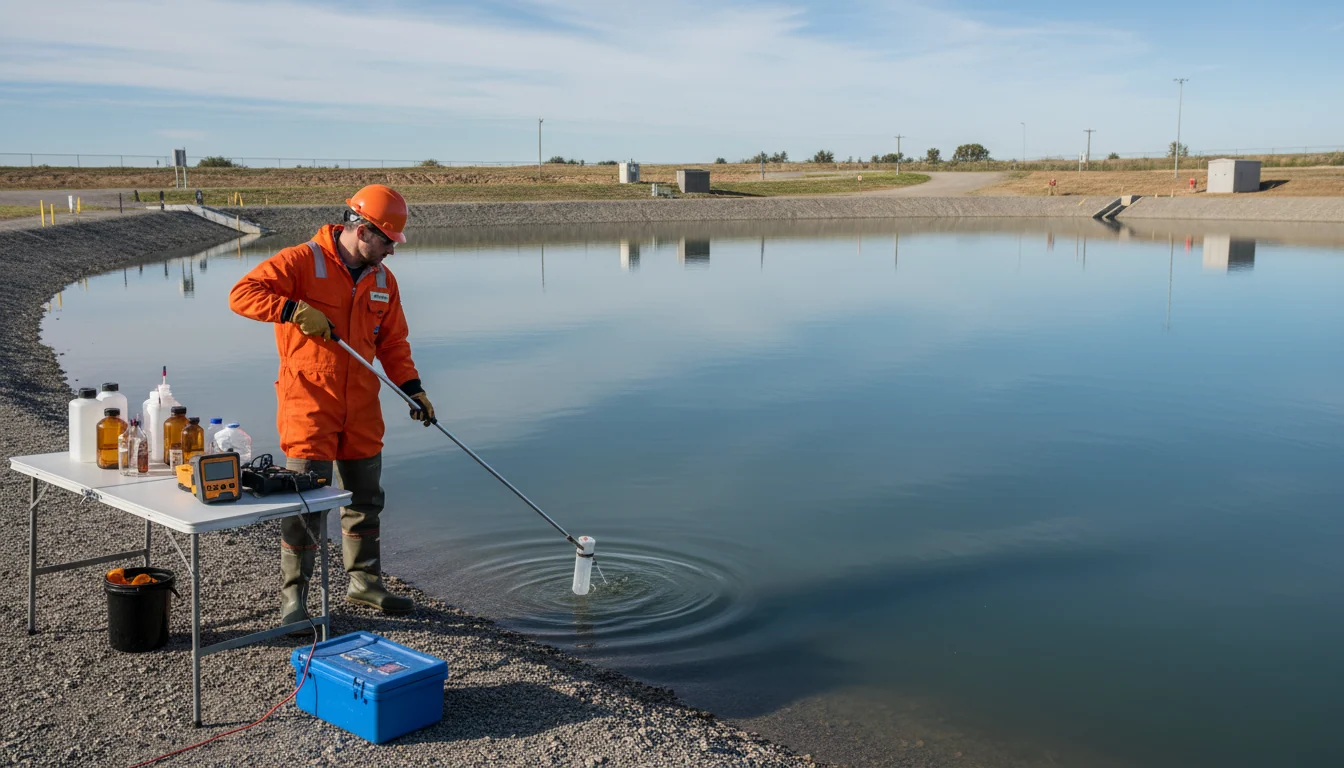
Introduction to PFAS Challenges
In recent years, the presence of PFAS (per- and polyfluoroalkyl substances) in water supplies has become a significant environmental concern. Known for their persistence in the environment and potential health risks, PFAS are often referred to as "forever chemicals." Walton County faced these challenges head-on and implemented successful water management solutions.
Identifying the Problem
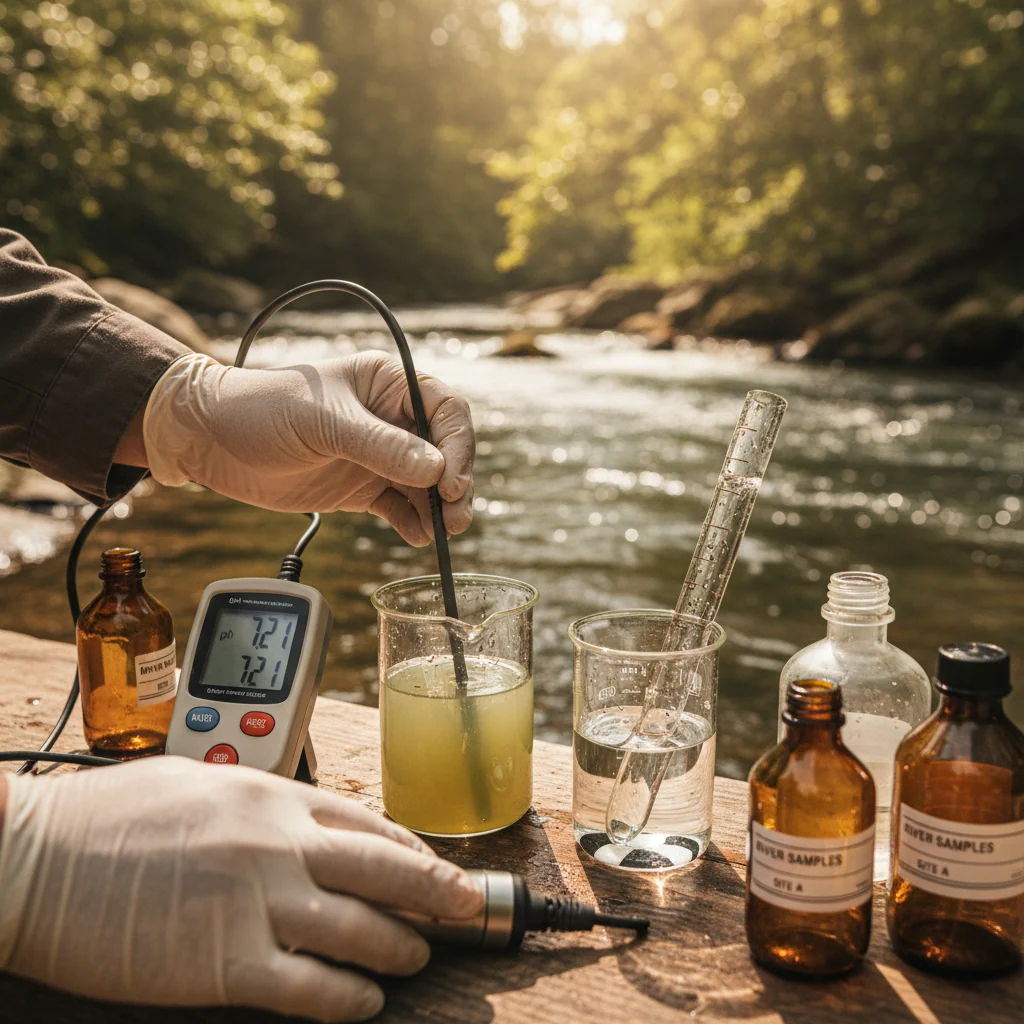
Walton County's water resources were found to contain elevated levels of PFAS due to industrial activities and the use of firefighting foams. The local government recognized the urgent need to address this issue to protect public health and the environment. They embarked on a comprehensive study to understand the extent of contamination.
Community Engagement
The county engaged with residents, informing them of the situation and involving them in the planning process. Through town hall meetings and informational sessions, the community played a vital role in shaping the response strategy. Transparency was key to gaining public trust and cooperation.

Implementing Solutions
After thorough research and community input, Walton County developed a multi-faceted approach to tackle PFAS contamination. This included investing in advanced filtration systems and exploring innovative treatment technologies. The county also collaborated with environmental experts to ensure the effectiveness of these solutions.
Technological Innovations
One of the standout technologies employed was granular activated carbon (GAC) filtration, which has proven effective in reducing PFAS levels. Additionally, the county explored the potential of ion exchange resins and high-pressure membranes to further enhance water purification.

Monitoring and Evaluation
Continuous monitoring of water quality was established to assess the success of the implemented measures. Regular testing ensured that PFAS levels remained within safe limits, providing peace of mind to residents and stakeholders. This ongoing evaluation helped identify areas for improvement and innovation.
Results and Impact
The proactive measures adopted by Walton County have led to a significant reduction in PFAS levels in the local water supply. The success of these efforts serves as a model for other communities facing similar challenges. Public health and safety were greatly enhanced, showcasing the effectiveness of a well-coordinated response.
Lessons Learned
The experience in Walton County highlights the importance of early detection, community involvement, and the adoption of cutting-edge technologies in managing PFAS contamination. By sharing their journey and outcomes, they hope to inspire other regions to take decisive action against environmental pollutants.

Conclusion
Walton County's success story is a testament to the power of collaboration and innovation in addressing environmental issues. By prioritizing public health and implementing effective management strategies, the county has set a precedent for others to follow. The ongoing commitment to monitoring and improving water quality ensures a safer, healthier future for all residents.
Part of the EcoGuardian journal. This article retains its original publication context; references to grants, regulations, research, and services may have changed since publication.