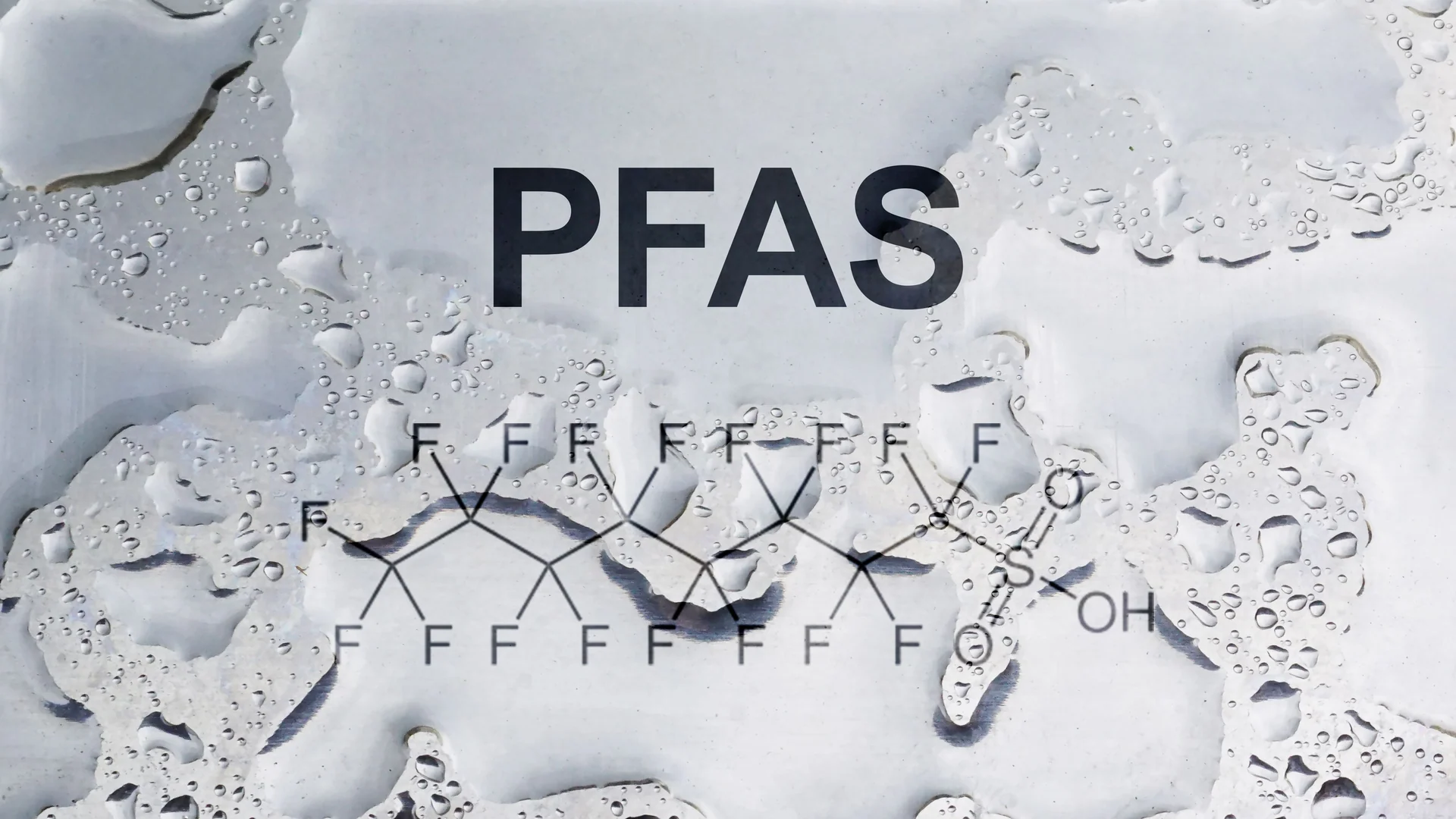
Per- and polyfluoroalkyl substances (PFAS) have become a critical environmental concern due to their persistence and potential health effects. Managing PFAS contamination effectively requires a strategic approach that combines scientific understanding, technology, and regulatory compliance.
Understanding PFAS Contamination
PFAS are a group of man-made chemicals used in various industrial applications and consumer products. Known for their resistance to water, oil, and heat, PFAS persist in the environment and human body, earning them the nickname “forever chemicals.” This persistence makes effective management crucial.
Contamination is often linked to industrial sites, firefighting foam usage, and even household products. Understanding the sources and pathways of PFAS is the first step in addressing contamination.
Identifying Sources
To manage PFAS contamination, identifying the sources is essential. This can include:
- Industrial discharges
- Firefighting training sites
- Landfill leachates
Once sources are identified, targeted remediation efforts can be developed to address the specific contamination issues.

Effective Remediation Strategies
Remediation of PFAS requires tailored strategies due to their unique chemical properties. Traditional methods like activated carbon filtration and ion exchange have shown varying degrees of success.
Advanced Treatment Techniques
Innovative techniques such as high-pressure membranes, advanced oxidation processes, and thermal treatment are being explored to enhance PFAS removal. These methods can offer more effective solutions for diverse contamination scenarios.
- High-pressure membranes: Effective for separating PFAS from water.
- Advanced oxidation: Breaks down PFAS molecules into less harmful compounds.
- Thermal treatment: Destroys PFAS at high temperatures.

Regulatory Compliance and Risk Management
Regulatory frameworks play a vital role in managing PFAS contamination. Compliance with local, national, and international regulations ensures that efforts align with legal standards and public health objectives.
Monitoring and Reporting
Continuous monitoring and transparent reporting are essential components of effective risk management. This involves regular sampling, analysis, and sharing of data with stakeholders to track progress and adapt strategies as needed.
Collaboration with regulatory bodies, industry leaders, and communities enhances the effectiveness of PFAS management initiatives.

Community Involvement and Education
Community engagement is crucial in managing PFAS contamination. Educating the public about the risks and remediation efforts fosters trust and cooperation. Public workshops, informational campaigns, and open dialogue can empower communities to participate actively in contamination management.
By combining scientific innovation, regulatory compliance, and community involvement, effective PFAS contamination management can be achieved, ensuring a safer environment for current and future generations.
Part of the EcoGuardian journal. This article retains its original publication context; references to grants, regulations, research, and services may have changed since publication.