Emerging Trends in PFAS Research and Applications


Understanding PFAS: A Brief Overview
Per- and polyfluoroalkyl substances (PFAS) are a group of man-made chemicals that have been used in a variety of industries around the globe since the 1940s. Known for their water and grease-resistant properties, PFAS have been utilized in products ranging from firefighting foams to non-stick cookware. However, their persistence in the environment and potential health impacts have raised significant concerns.
Recent research has focused on understanding the environmental persistence of PFAS and their effects on human health. As regulations become stricter, scientists and industry leaders are exploring innovative solutions to manage and mitigate PFAS pollution.
Recent Advances in PFAS Detection
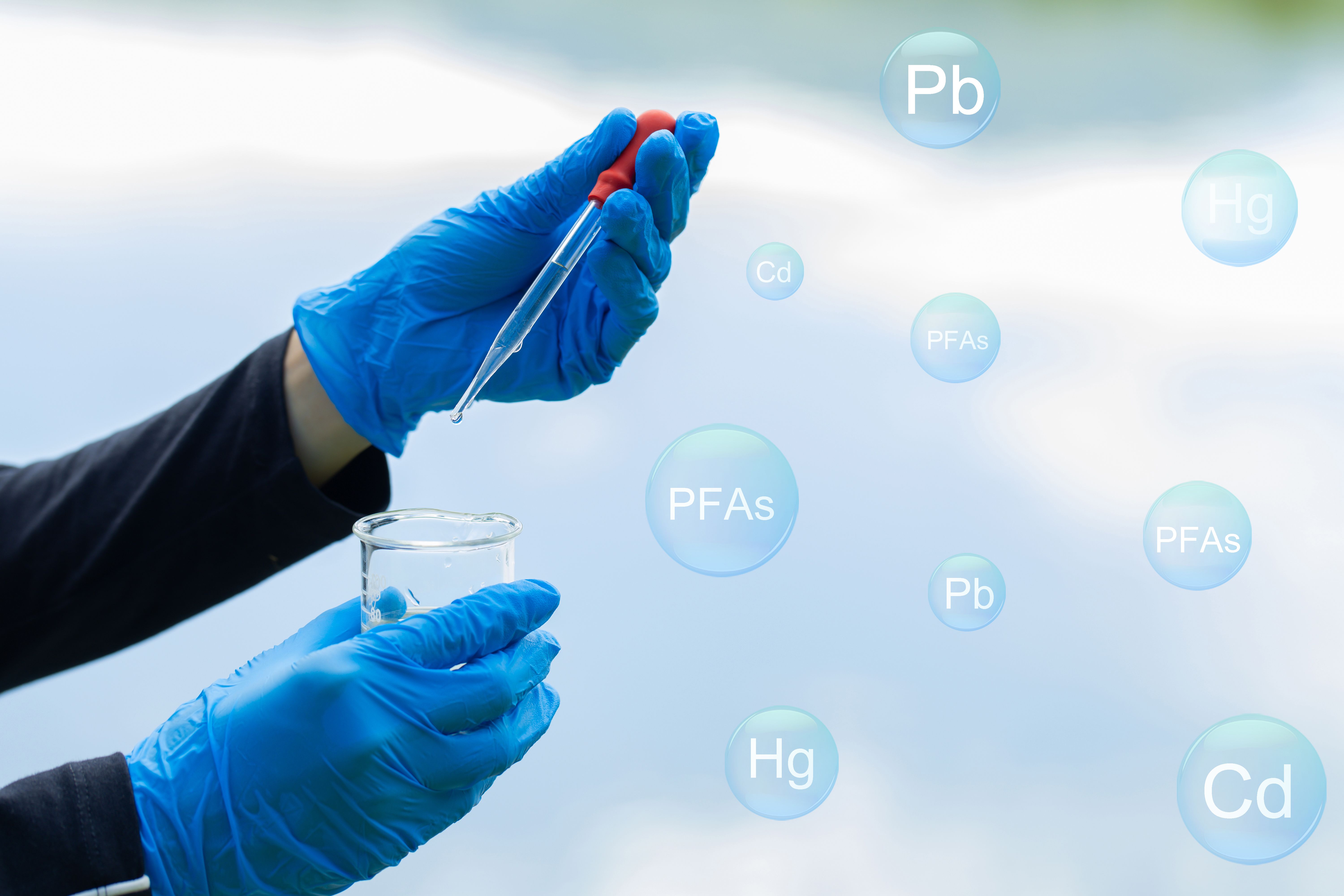
One of the most critical areas of research is the development of advanced detection methods. Traditional methods often involve complex and time-consuming processes. However, recent technological advancements have led to the creation of faster, more accurate testing techniques.
New sensor technologies and analytical methods are being developed to detect PFAS at lower concentrations and with greater precision. These innovations are crucial for monitoring environmental contamination and ensuring public safety.
Portable Detection Devices
Portable detection devices are a significant breakthrough, allowing for on-site testing and immediate results. These devices are particularly useful for industries and municipalities responsible for monitoring water quality.
Innovative PFAS Remediation Techniques
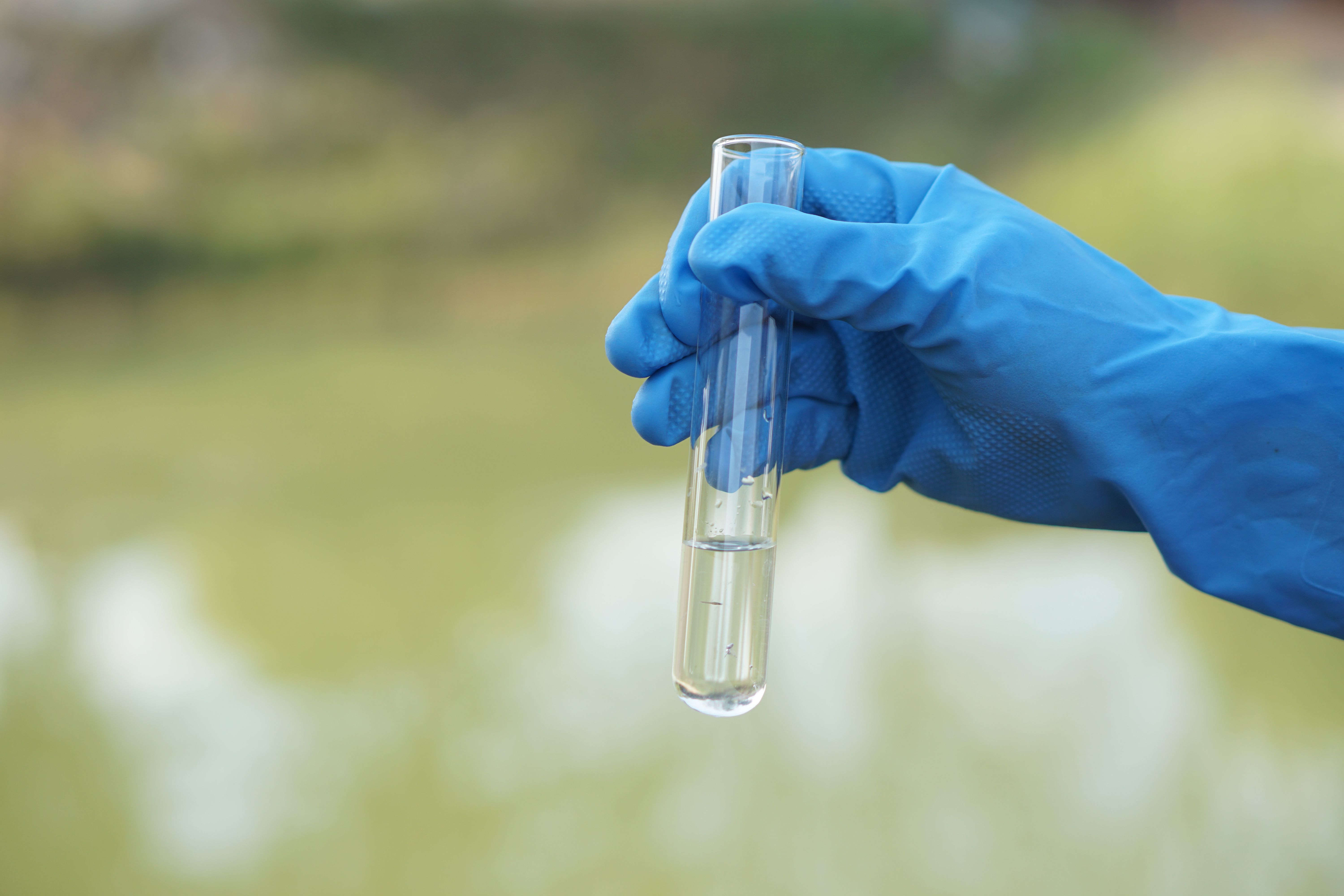
Alongside detection improvements, there is a growing focus on remediation techniques. Traditional methods, such as activated carbon filtration, are being enhanced and supplemented with new technologies.
Emerging methods include advanced oxidation processes, bio-remediation, and the use of engineered nanomaterials. These techniques aim to break down PFAS compounds, reducing their persistence in the environment.
Advanced Oxidation Processes
Advanced oxidation processes (AOPs) involve the use of powerful oxidants to degrade PFAS molecules. This method is gaining attention due to its effectiveness in treating contaminated water and soils.

Regulatory Developments and Industry Impact
As the understanding of PFAS evolves, so do regulatory frameworks. Governments worldwide are implementing stricter guidelines to limit PFAS exposure, impacting industries that manufacture or utilize these chemicals.
Companies are investing in research to develop PFAS-free alternatives, promoting sustainability and compliance with new regulations. This shift is driving innovation and encouraging the adoption of greener technologies.
PFAS-Free Alternatives
The demand for PFAS-free products is rising. Industries are exploring alternative materials and formulations that maintain performance without relying on PFAS. This trend is particularly significant in consumer goods and packaging sectors.

The Future of PFAS Research
The future of PFAS research is promising, with ongoing studies aimed at developing safer, more sustainable solutions. Interdisciplinary collaboration is essential, bringing together chemists, environmental scientists, and policymakers to address the challenges posed by PFAS.
As awareness grows, so does the commitment to finding effective strategies for managing PFAS contamination. Continued research and innovation will play a critical role in protecting human health and the environment.