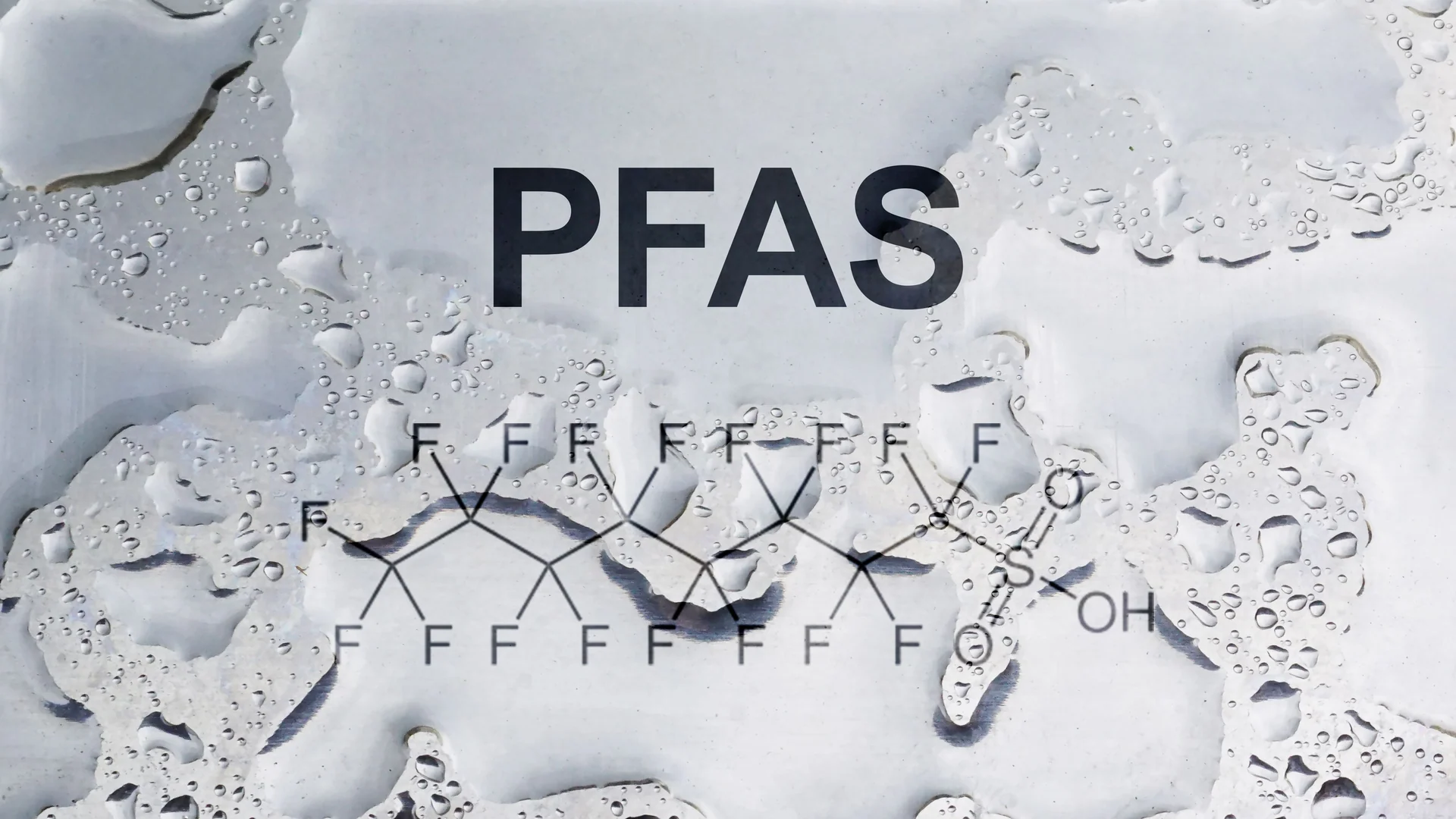
Understanding PFAS and Seasonal Variability
Per- and polyfluoroalkyl substances (PFAS) are a group of man-made chemicals found in various products due to their water and grease-resistant properties. Managing these persistent chemicals can be challenging, especially with seasonal changes that may affect their behavior in the environment. Understanding these changes is crucial for effective management strategies.
Seasonal variations can impact the concentration and distribution of PFAS in soil and water. For instance, increased rainfall in spring may lead to higher runoff, potentially spreading PFAS contaminants. Conversely, drier seasons might lead to a concentration increase in certain areas.

Adapting Strategies for Different Seasons
To effectively manage PFAS, it is essential to adapt strategies according to seasonal changes. Here are some approaches to consider:
Spring and Summer Considerations
During the warmer months, increased precipitation can lead to greater PFAS mobility. To counteract this, it's vital to enhance monitoring efforts and adjust treatment systems to handle potential influxes of contaminants.
- Increase monitoring: Use additional sampling and testing to track PFAS levels.
- Upgrade filtration systems: Ensure systems can handle increased contaminant loads.

Autumn and Winter Strategies
In colder months, PFAS management may require different tactics due to reduced biological activity and potential freezing conditions. Adjusting treatment processes can help maintain effectiveness.
- Optimize treatment processes: Adjust chemical treatments to account for lower temperatures.
- Prevent freezing: Insulate equipment and storage tanks to prevent damage.
Implementing Long-Term PFAS Management
Long-term PFAS management requires strategic planning beyond seasonal adjustments. Establishing a comprehensive plan can help ensure consistent and effective control of PFAS contamination.
Consider the following steps for a robust management plan:
- Regular assessments: Conduct periodic reviews of PFAS levels to track changes over time.
- Community engagement: Work with local stakeholders to raise awareness and develop collaborative solutions.
- Research and innovation: Stay informed about new technologies and methodologies for PFAS treatment.

Conclusion
Managing PFAS effectively requires an understanding of how seasonal variations impact their behavior in the environment. By adjusting strategies according to seasonal changes and maintaining a long-term management plan, organizations can better protect environmental and public health. Proactive adaptation and continuous monitoring are key to successful PFAS management.
Part of the EcoGuardian journal. This article retains its original publication context; references to grants, regulations, research, and services may have changed since publication.