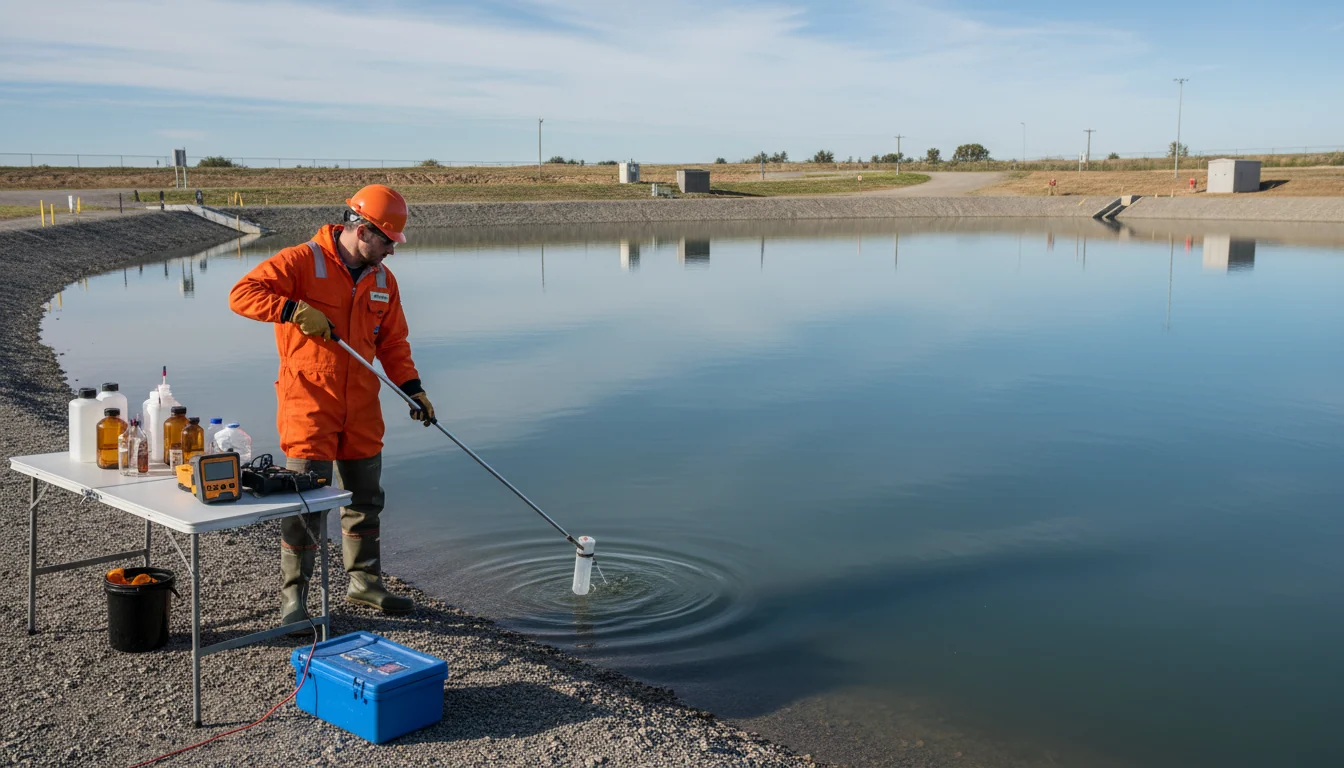
Understanding PFAS: A Modern Challenge
Per- and polyfluoroalkyl substances (PFAS) have become a significant concern in environmental science due to their persistence in the environment and potential health risks. These man-made chemicals are used in a variety of industrial applications and consumer products, leading to widespread environmental contamination.

PFAS are often referred to as "forever chemicals" because of their resistance to degradation. They accumulate over time, posing challenges to ecosystems and human health. Understanding these substances and their behavior is crucial for developing effective management strategies.
Innovative Approaches to PFAS Management
Advanced Filtration Techniques
One of the most promising innovations in managing PFAS pollution is the development of advanced filtration systems. Technologies such as activated carbon filters and ion exchange resins have shown effectiveness in removing PFAS from water sources. These methods capitalize on the ability to absorb or exchange ions, trapping the harmful chemicals.

Biological Remediation
Biological remediation is another innovative approach gaining traction. Researchers are exploring the use of specific bacteria and plants that can break down PFAS compounds. This eco-friendly method offers a sustainable solution by utilizing natural processes to reduce contamination levels.
Policy and Regulation Developments
Governments worldwide are recognizing the urgency of addressing PFAS pollution. There is a growing trend towards stricter regulations and guidelines to limit PFAS emissions and ensure safer disposal practices. These policies are crucial for enforcing corporate responsibility and protecting public health.

In addition to national policies, international collaborations are essential. Global efforts to share research, resources, and strategies can accelerate progress in combating PFAS pollution and fostering innovation.
The Role of Public Awareness and Education
Community Engagement
Raising public awareness about PFAS is vital for driving change. Community engagement initiatives can educate individuals about the sources and risks of PFAS, empowering them to make informed decisions and advocate for cleaner environments.
- Workshops and seminars to educate communities
- Public campaigns to highlight PFAS risks
- Collaboration with local organizations for broader reach

Supporting Research and Innovation
Encouraging ongoing research and innovation is crucial for uncovering new solutions to PFAS challenges. Investment in scientific studies and technological development can lead to breakthroughs that significantly reduce PFAS levels in the environment.
By understanding the complexities of PFAS and embracing innovative solutions, we can work towards a future where these persistent pollutants are effectively managed, safeguarding both our environment and health.
Part of the EcoGuardian journal. This article retains its original publication context; references to grants, regulations, research, and services may have changed since publication.