Understanding PFAS: A Brief Overview
Per- and polyfluoroalkyl substances (PFAS) are a group of man-made chemicals that have been used in various industries since the 1940s. Known for their water and grease-resistant properties, PFAS are found in a wide range of products, from firefighting foams to non-stick cookware. However, their persistence in the environment and potential health risks have led to increased research interest.
Researchers are focusing on understanding how these substances interact with ecosystems and human health. Recent studies aim to uncover the extent of PFAS contamination and develop methods to mitigate their impact.
Recent Advances in PFAS Detection
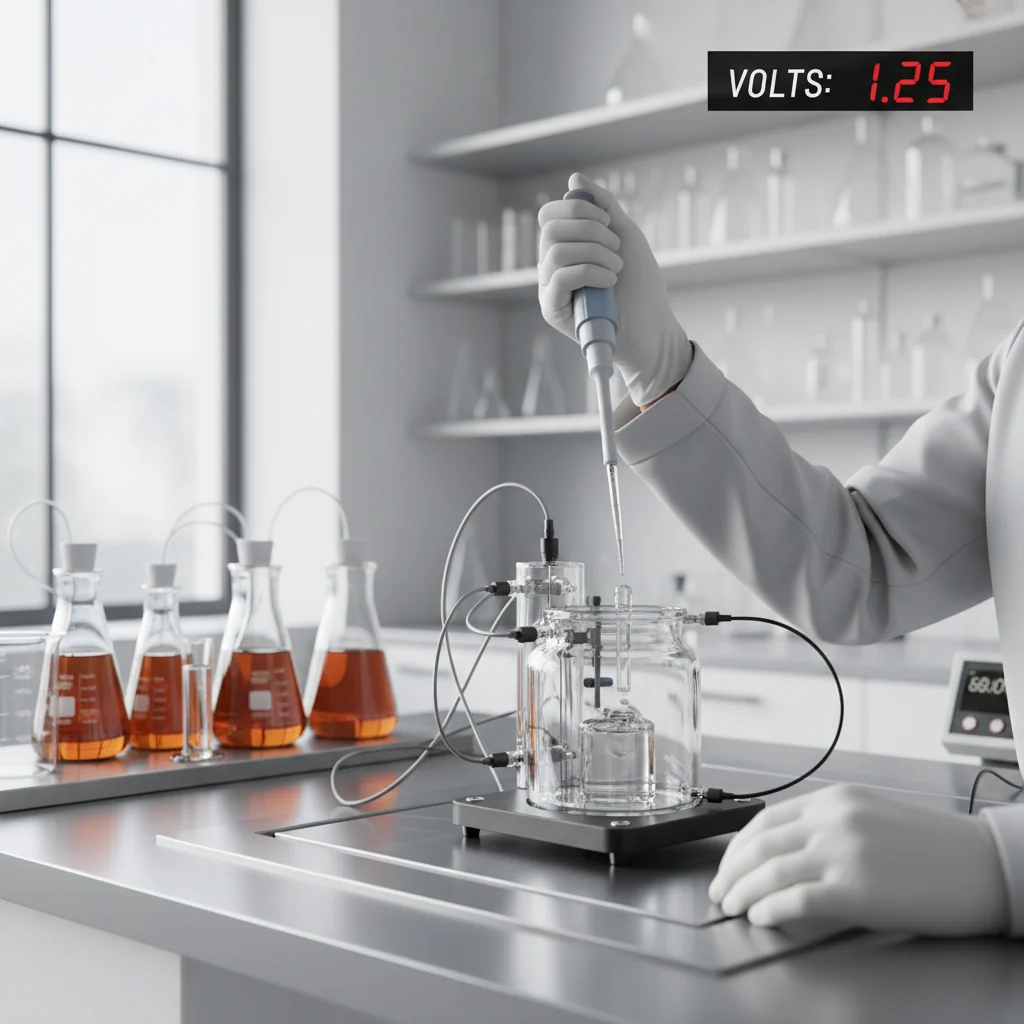
One of the most significant trends in PFAS research is the advancement in detection techniques. New analytical methods now allow scientists to identify even trace amounts of PFAS in various environments. These methods enhance our understanding of how widespread PFAS contamination is and guide regulatory efforts to address the issue.
Among these techniques, high-resolution mass spectrometry has proven to be particularly effective. It enables researchers to identify previously undetectable PFAS compounds, providing a more comprehensive view of contamination sources.
Portable Detection Tools
Recent innovations have also led to the development of portable detection tools. These devices offer on-site analysis, making it easier for environmental agencies and industries to monitor PFAS levels in real-time. This rapid detection capability is crucial for prompt decision-making and mitigation strategies.
Innovative PFAS Remediation Techniques
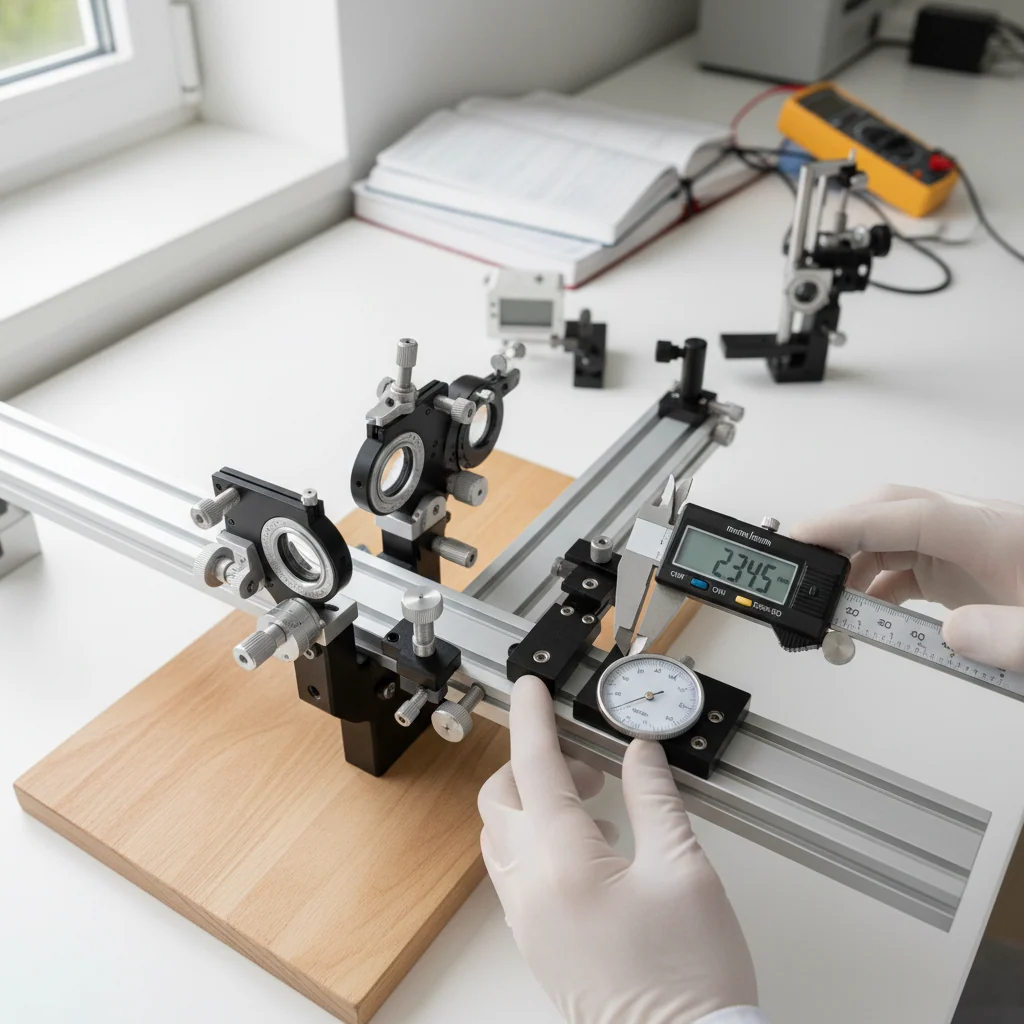
Addressing PFAS contamination requires effective remediation techniques. Researchers are exploring various methods to remove or neutralize PFAS in the environment. One promising approach is the use of advanced oxidation processes, which involve breaking down PFAS molecules using powerful oxidants.
Additionally, bio-remediation strategies are being investigated. These involve using specific microorganisms to degrade PFAS compounds, potentially offering a sustainable and cost-effective solution.
Adsorption Technologies
Adsorption technologies, such as activated carbon and ion exchange resins, have shown success in PFAS removal. These materials capture and contain PFAS, preventing them from leaching into water supplies. Ongoing research aims to enhance the efficiency and scalability of these technologies.

Practical Applications and Future Directions
The insights gained from PFAS research are already finding practical applications. Industries are adopting safer alternatives to PFAS-containing products, driven by regulatory pressures and consumer demand for safer options. This shift is leading to innovation in product formulations and industrial processes.
Looking ahead, interdisciplinary collaboration will be key to addressing PFAS challenges. Combining expertise from chemistry, biology, and engineering will foster the development of more effective solutions. Furthermore, public awareness and policy advancements will play a crucial role in shaping a sustainable future.

In conclusion, while PFAS pose significant challenges, the latest research trends offer hope for effective management and remediation. Continued investment in science and technology will be essential to protect both the environment and public health from the impacts of these persistent chemicals.
Part of the EcoGuardian journal. This article retains its original publication context; references to grants, regulations, research, and services may have changed since publication.