
Understanding PFAS and Their Impact
Per- and polyfluoroalkyl substances (PFAS) have been a growing concern in environmental management due to their persistence and potential health impacts. Known as "forever chemicals," PFAS do not break down easily, leading to their accumulation in the environment and human body. Walton County, Florida, like many other regions, is actively working on strategies to manage and mitigate the effects of these substances.

PFAS are commonly found in various consumer products, including non-stick cookware, water-repellent clothing, and firefighting foams. This widespread use has resulted in contamination of soil, water, and air, posing a challenge for local governments and communities aiming to protect public health and the environment.
Local Government Initiatives
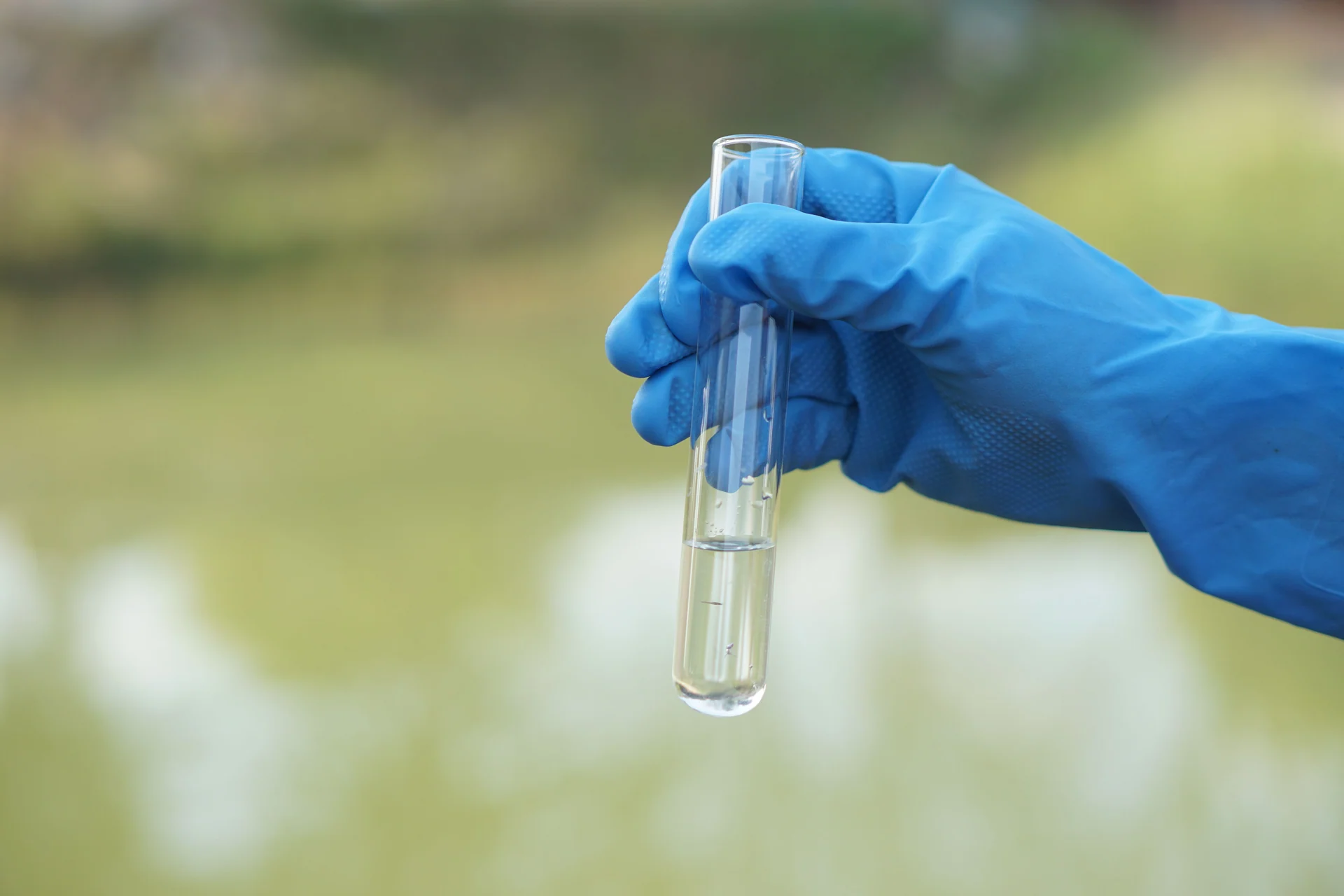
Walton County has implemented several initiatives to address PFAS contamination. The local government has prioritized testing and monitoring of water sources to identify contamination levels. Regular testing helps ensure that drinking water remains safe for the community.
Additionally, Walton County has collaborated with environmental agencies to develop cleanup and remediation plans for affected areas. These plans focus on reducing PFAS levels in soil and water, employing methods such as carbon filtration and soil washing.
Community Engagement and Education
Community involvement is crucial in managing PFAS effectively. Walton County has launched educational campaigns to raise awareness about PFAS sources and their health implications. By educating residents on ways to minimize exposure, the county aims to empower individuals to make informed decisions.
Workshops and public meetings provide opportunities for residents to learn about ongoing efforts and voice their concerns. This collaborative approach fosters a sense of shared responsibility and encourages proactive participation in environmental preservation.

Innovative Remediation Techniques
To tackle PFAS contamination, Walton County has embraced innovative remediation technologies. One promising method is the use of advanced oxidation processes (AOPs) which break down PFAS into less harmful compounds. These technologies are continually evolving, offering new possibilities for effective management.
Another strategy involves the use of bioremediation, where specific microorganisms are introduced to degrade PFAS. This eco-friendly approach not only reduces contamination but also supports the restoration of natural ecosystems.
Future Outlook and Challenges
While significant progress has been made, challenges remain in completely eliminating PFAS contamination. Walton County continues to invest in research and development to explore new solutions and improve existing methods.
Collaboration with neighboring counties and states is also essential, as PFAS contamination often spans beyond local boundaries. By sharing knowledge and resources, regions can collectively enhance their management strategies and protect public health.
Overall, Walton County's commitment to addressing PFAS contamination reflects a proactive approach to environmental stewardship, ensuring a safer and healthier future for its residents.
Part of the EcoGuardian journal. This article retains its original publication context; references to grants, regulations, research, and services may have changed since publication.