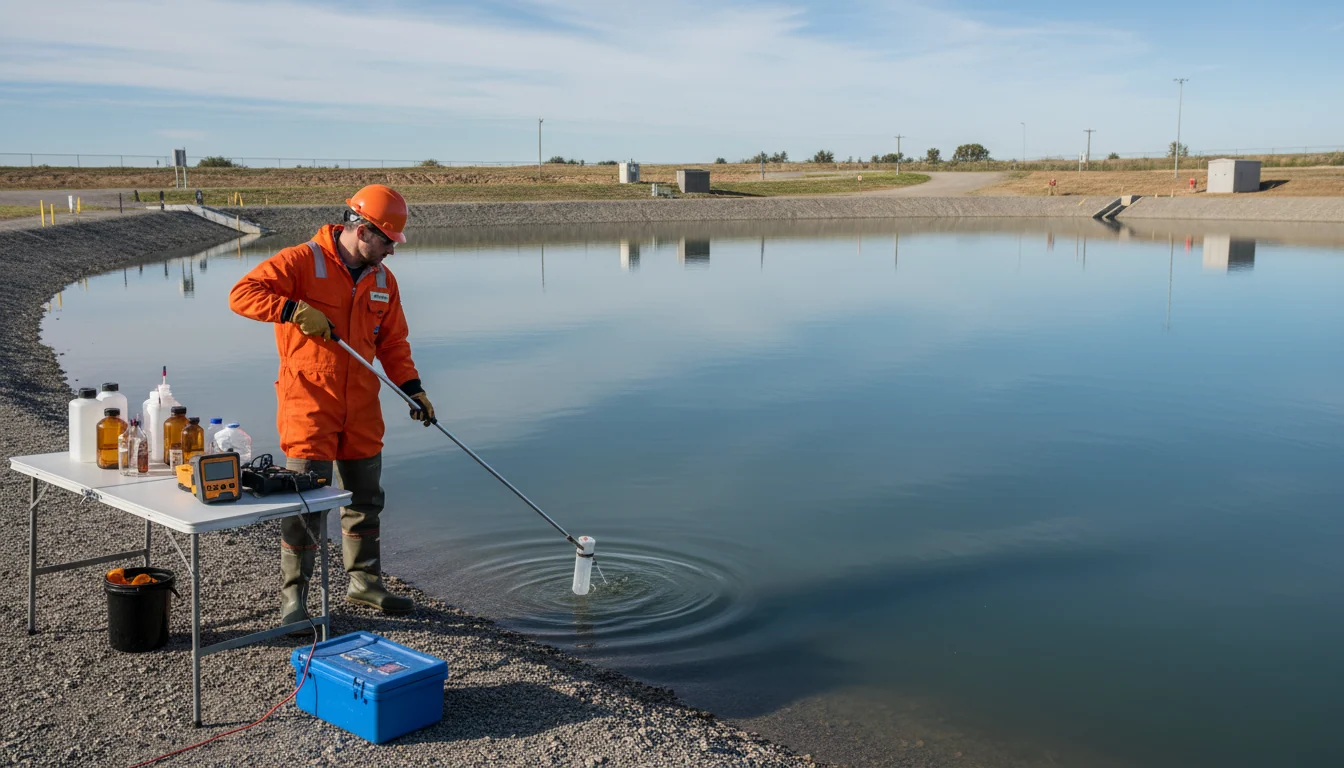
Per- and polyfluoroalkyl substances (PFAS) have become a growing concern for environmental agencies and communities across the United States. In Walton County, Florida, understanding and navigating PFAS regulations is crucial for both businesses and residents. These substances, often referred to as "forever chemicals," are known for their persistence in the environment and potential health impacts.

What Are PFAS?
PFAS are a group of man-made chemicals that have been used in various industries around the world since the 1940s. They are commonly found in products such as non-stick cookware, water-repellent clothing, and firefighting foams. Due to their widespread use and environmental persistence, PFAS have been detected in soil, water, and even the air.
The potential health effects of PFAS exposure have raised alarm, prompting regulatory bodies to establish guidelines and limits for these substances.
Current PFAS Regulations in Walton County
In Walton County, PFAS regulations are guided by both state and federal standards. The Environmental Protection Agency (EPA) has set advisory levels for PFAS in drinking water, which serve as a benchmark for local regulations. Florida's Department of Environmental Protection (FDEP) also plays a significant role in monitoring and managing PFAS levels.

Businesses and facilities in Walton County are required to adhere to these guidelines, ensuring that their operations do not contribute to PFAS contamination. Regular monitoring and reporting are essential components of compliance.
Steps for Compliance
For businesses operating in Walton County, maintaining compliance with PFAS regulations involves several key steps:
- Identify Sources: Determine if your operations use or release PFAS.
- Implement Monitoring: Regularly test water and soil for PFAS levels.
- Report Findings: Submit data to local and state agencies as required.
- Mitigation Strategies: Develop plans to reduce or eliminate PFAS emissions.
Community Impact and Involvement
Community involvement is crucial in addressing PFAS contamination. Residents can stay informed by attending local meetings and participating in public discussions. Understanding the sources and impacts of PFAS can empower communities to advocate for stronger protections and cleaner environments.

Future Outlook
The landscape of PFAS regulations is continually evolving. As research progresses, new findings may lead to stricter regulations and innovative solutions for contamination prevention. Staying informed about these changes is essential for businesses and residents alike.
Engaging with environmental experts and participating in local initiatives can help Walton County effectively manage PFAS challenges and safeguard public health.
Part of the EcoGuardian journal. This article retains its original publication context; references to grants, regulations, research, and services may have changed since publication.