
Per- and polyfluoroalkyl substances (PFAS) have become a focal point in environmental and regulatory discussions due to their persistence in the environment and potential health impacts. Navigating the regulatory landscape surrounding PFAS can be complex, given the evolving nature of policies and guidelines across different regions.
Understanding the current state of PFAS regulations is crucial for industries that may be impacted. This guide aims to provide a comprehensive overview of the existing regulatory framework, helping businesses and stakeholders remain compliant and informed.

What Are PFAS?
PFAS are a group of synthetic chemicals widely used in various industries for their water and grease-resistant properties. These "forever chemicals" do not break down easily, leading to widespread environmental contamination. The concern over PFAS stems from their potential links to health issues, including cancer and liver damage.
Due to these concerns, regulatory bodies have begun implementing measures to monitor and control PFAS levels in the environment. Understanding these regulations can help industries manage their use effectively and reduce potential liabilities.
Current Regulatory Framework
United States
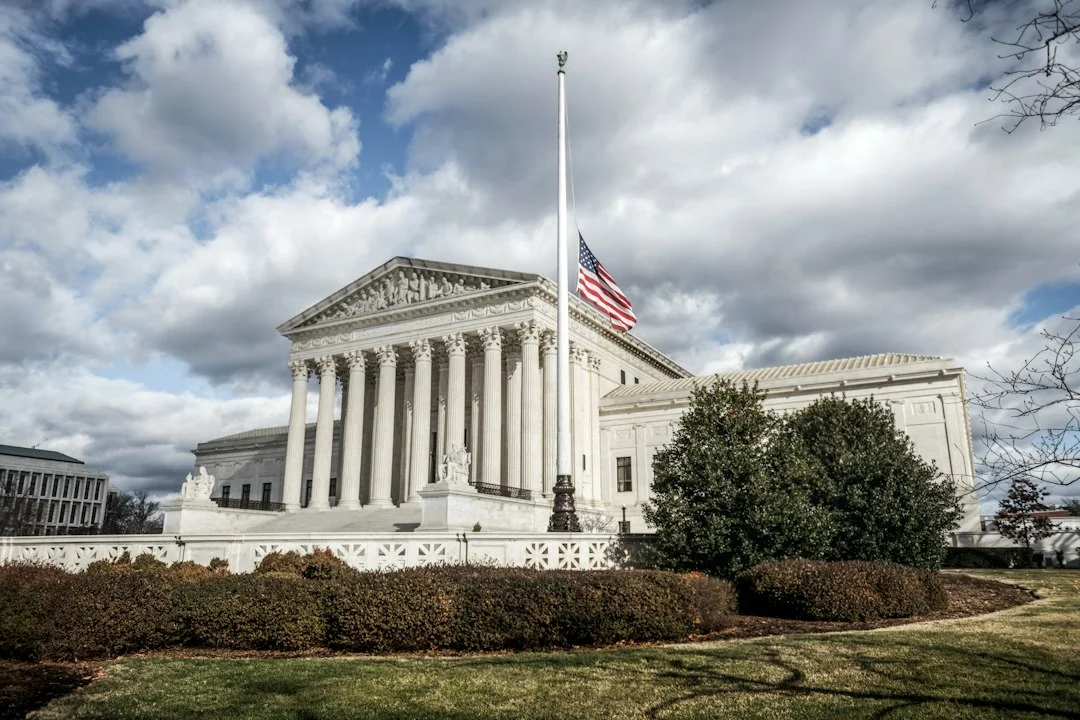
In the United States, the Environmental Protection Agency (EPA) has taken significant steps to address PFAS contamination. The agency has developed health advisories and is working towards establishing enforceable drinking water standards. States are also setting their own limits, resulting in a patchwork of regulations that businesses must navigate.
European Union
The European Union has been proactive in regulating PFAS, with the European Chemicals Agency (ECHA) leading efforts to restrict their use. The EU's approach often involves comprehensive assessments and stringent controls, reflecting a precautionary stance towards chemical safety.
Compliance Strategies for Businesses
Businesses must adopt effective strategies to comply with PFAS regulations. This includes conducting regular risk assessments and staying updated on regulatory changes. Engaging with industry associations and regulatory bodies can also provide valuable insights and guidance.

Implementing sustainable practices, such as using alternative materials and improving waste management, can mitigate the impact of PFAS. These efforts not only ensure compliance but also demonstrate a commitment to environmental responsibility.
The Future of PFAS Regulations
The regulatory landscape for PFAS is likely to evolve as more research emerges and public awareness grows. Anticipating these changes and proactively adjusting business practices can offer a competitive advantage and reduce future risks.
As regulations become more stringent, industries that adapt quickly will be better positioned to thrive in a marketplace increasingly focused on sustainability and safety.

In conclusion, navigating the PFAS regulatory landscape requires vigilance and adaptability. By staying informed and embracing proactive measures, businesses can effectively manage their environmental impact and ensure compliance in a rapidly changing regulatory environment.
Part of the EcoGuardian journal. This article retains its original publication context; references to grants, regulations, research, and services may have changed since publication.