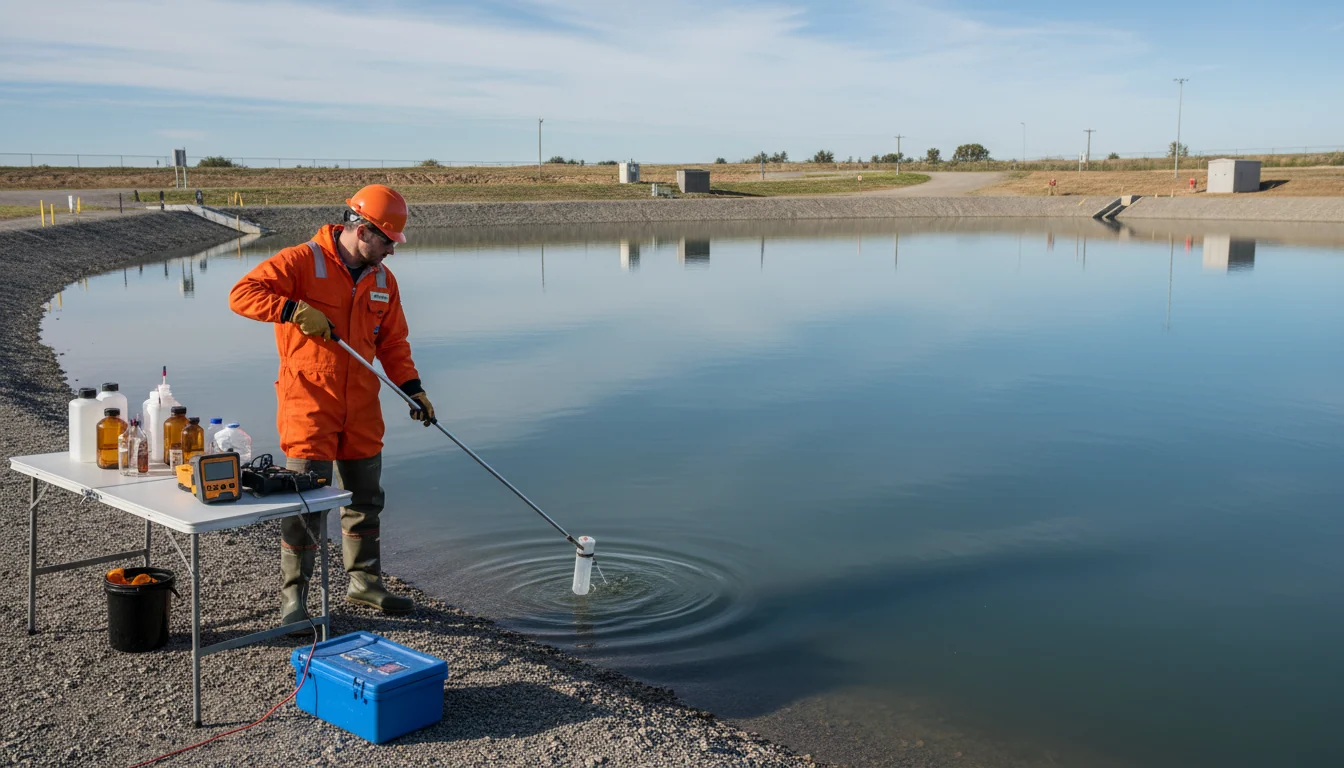
Understanding PFAS and Their Impact
Per- and polyfluoroalkyl substances (PFAS) are a group of man-made chemicals that have been used in various industries worldwide. Known for their resistance to heat, water, and oil, PFAS have been utilized in everything from firefighting foams to non-stick cookware. However, their persistence in the environment and potential health risks have raised concerns, particularly in Walton County.

PFAS contamination can lead to several health issues, including developmental effects, liver and kidney damage, and potential cancer risks. These chemicals do not break down easily, leading to their accumulation in the environment and in living organisms. Understanding the challenges posed by PFAS is crucial for developing effective strategies to mitigate their impact.
Local Challenges in Walton County
Walton County faces specific challenges with PFAS due to its industrial activities and proximity to military bases where firefighting foams containing PFAS have been used. The contamination of water sources is a significant concern, affecting both the environment and public health.
Efforts to monitor and manage PFAS levels in the county's water supply are ongoing. However, the complexities of detection and removal, combined with limited regulatory guidelines, pose additional hurdles for local authorities.

Community Involvement and Awareness
Raising awareness about PFAS and their effects is essential for community engagement. Educating residents about the sources and dangers of PFAS can empower them to take informed actions and support local initiatives aimed at reducing exposure.
- Community workshops and educational programs
- Partnerships with local schools and organizations
- Public forums and discussions on PFAS management
Strategies for PFAS Mitigation
Walton County has implemented several strategies to address PFAS contamination. These include improving water treatment processes, investing in advanced filtration systems, and conducting regular monitoring to ensure safety standards are met.

Collaboration with state and federal agencies is also critical. By working together, local authorities can access funding and resources needed to tackle PFAS effectively and ensure community safety.
Innovative Solutions and Future Outlook
Research and innovation play a vital role in developing new methods for PFAS removal and prevention. Scientists are exploring technologies like activated carbon filtration and ion exchange, which show promise in reducing PFAS levels in water supplies.
Looking ahead, Walton County aims to establish comprehensive policies and regulations to prevent future contamination. Continued investment in research and public education will be key to achieving long-term sustainability and safety for residents.
Part of the EcoGuardian journal. This article retains its original publication context; references to grants, regulations, research, and services may have changed since publication.