PFAS Solutions for Engineers: Practical Applications and Strategies


Understanding PFAS and Their Impact
Per- and polyfluoroalkyl substances (PFAS) have become a significant concern in engineering due to their persistent nature and potential health impacts. Known as "forever chemicals," PFAS are resistant to environmental degradation, making them challenging to manage and mitigate. Engineers are at the forefront of developing effective solutions to address these issues in various industries.

The widespread use of PFAS in products like firefighting foams, non-stick cookware, and water-repellent fabrics has led to environmental contamination. Understanding the chemical properties of PFAS is crucial for engineers tasked with designing remediation strategies. By identifying the sources and pathways of PFAS in ecosystems, engineers can create targeted approaches to mitigate their effects.
Practical Applications in Engineering
Water Treatment Technologies
One of the primary challenges for engineers is the removal of PFAS from water sources. Various technologies, such as activated carbon adsorption, ion exchange, and high-pressure membranes, are being explored for their effectiveness in PFAS removal. Each method has its advantages and limitations, requiring careful consideration to ensure optimal results.
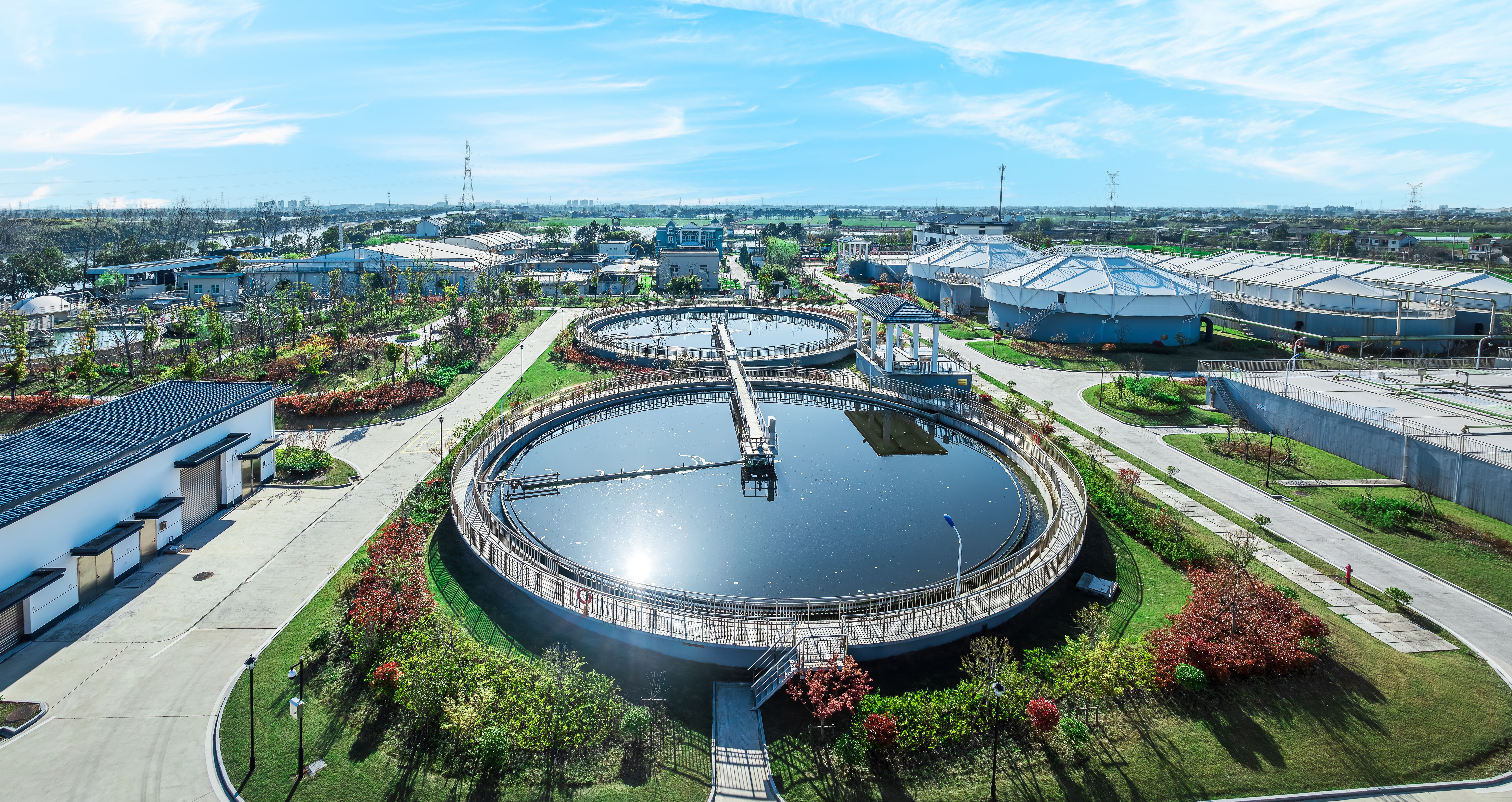
Activated carbon has been widely used due to its ability to adsorb a range of contaminants, including PFAS. Engineers are experimenting with different types of carbon and treatment conditions to enhance performance. Similarly, ion exchange resins offer promise, particularly for shorter-chain PFAS compounds.
Soil Remediation Techniques
PFAS contamination is not limited to water; soil remediation is equally important. Engineers are developing soil washing techniques and in-situ remediation methods to address PFAS in contaminated sites. Soil washing involves using a liquid to remove contaminants from the soil, while in-situ approaches focus on chemical or biological treatment directly within the soil.

Bioremediation is an emerging area of interest, where specific microorganisms are used to break down PFAS compounds. Although still in the research phase, this strategy holds promise for sustainable and effective soil remediation. Engineers are also exploring phytoremediation, which involves using plants to absorb and concentrate PFAS from soil.
Strategies for Future Solutions
Innovative Material Design
Engineers are also looking into designing new materials that do not rely on PFAS, thereby reducing future contamination risks. Developing alternatives that maintain the desirable properties of PFAS without their environmental impact is a significant challenge. Collaboration between material scientists and engineers is crucial in this endeavor.

Research into biodegradable materials and polymers that mimic the properties of PFAS is ongoing. By focusing on sustainability and environmental compatibility, engineers aim to reduce reliance on PFAS while meeting industry needs.
Regulatory and Collaborative Efforts
Addressing PFAS contamination requires robust regulatory frameworks and collaborative efforts between governments, industries, and communities. Engineers play a vital role in informing policy decisions and developing guidelines for PFAS management. By working closely with stakeholders, engineers can ensure that solutions are both practical and effective.
Collaboration extends to international efforts as well, with engineers sharing knowledge and innovations across borders. By fostering a global exchange of ideas, the engineering community can accelerate the development of solutions to mitigate the impact of PFAS worldwide.