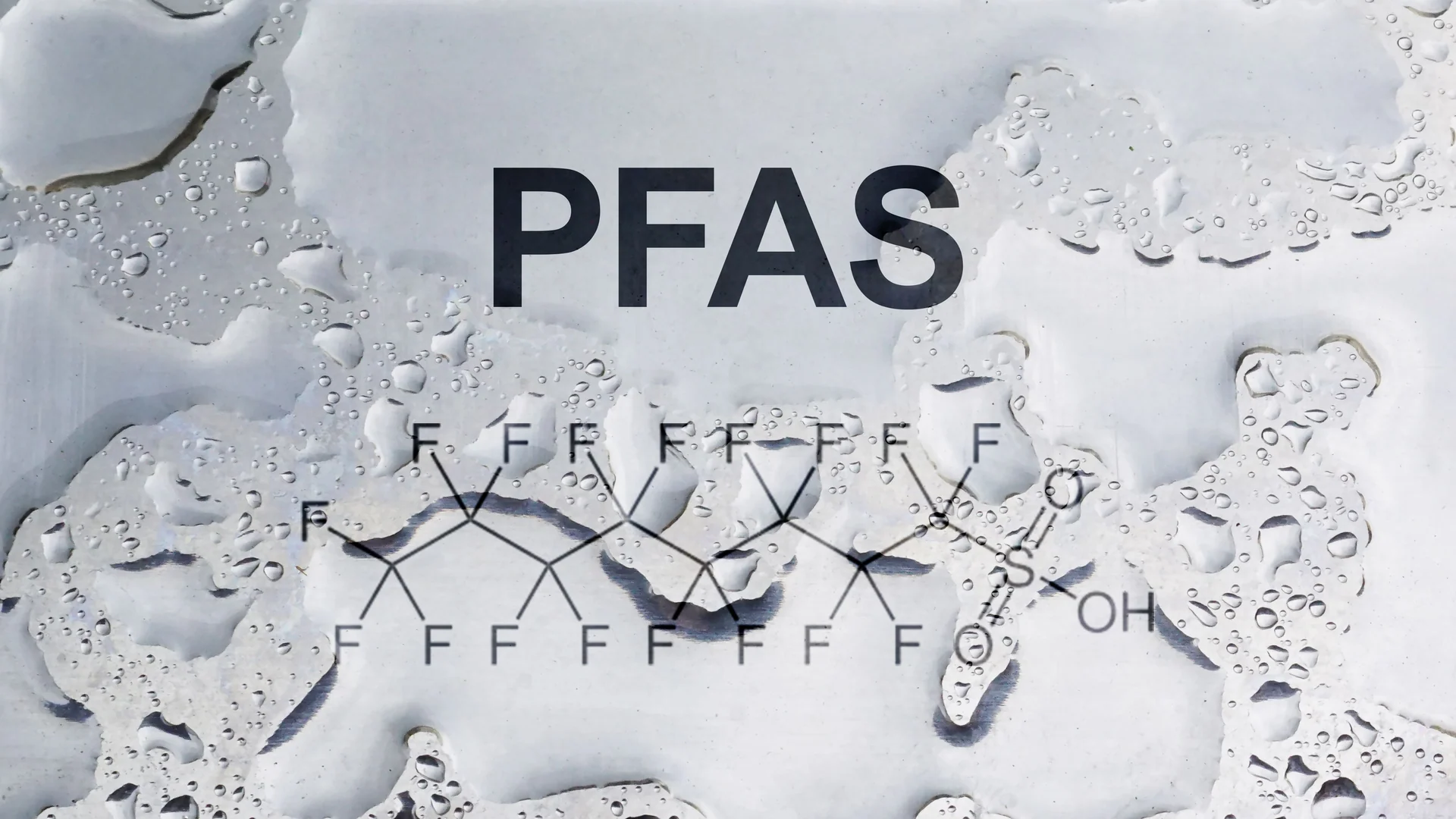
Understanding PFAS and Their Environmental Impact
Per- and polyfluoroalkyl substances (PFAS) are a group of man-made chemicals that have been used in various industries globally since the 1940s. These chemicals are resistant to water, grease, and stains, making them popular in products like non-stick cookware, water-repellent clothing, and firefighting foams. Unfortunately, their persistence in the environment has raised significant health and ecological concerns.
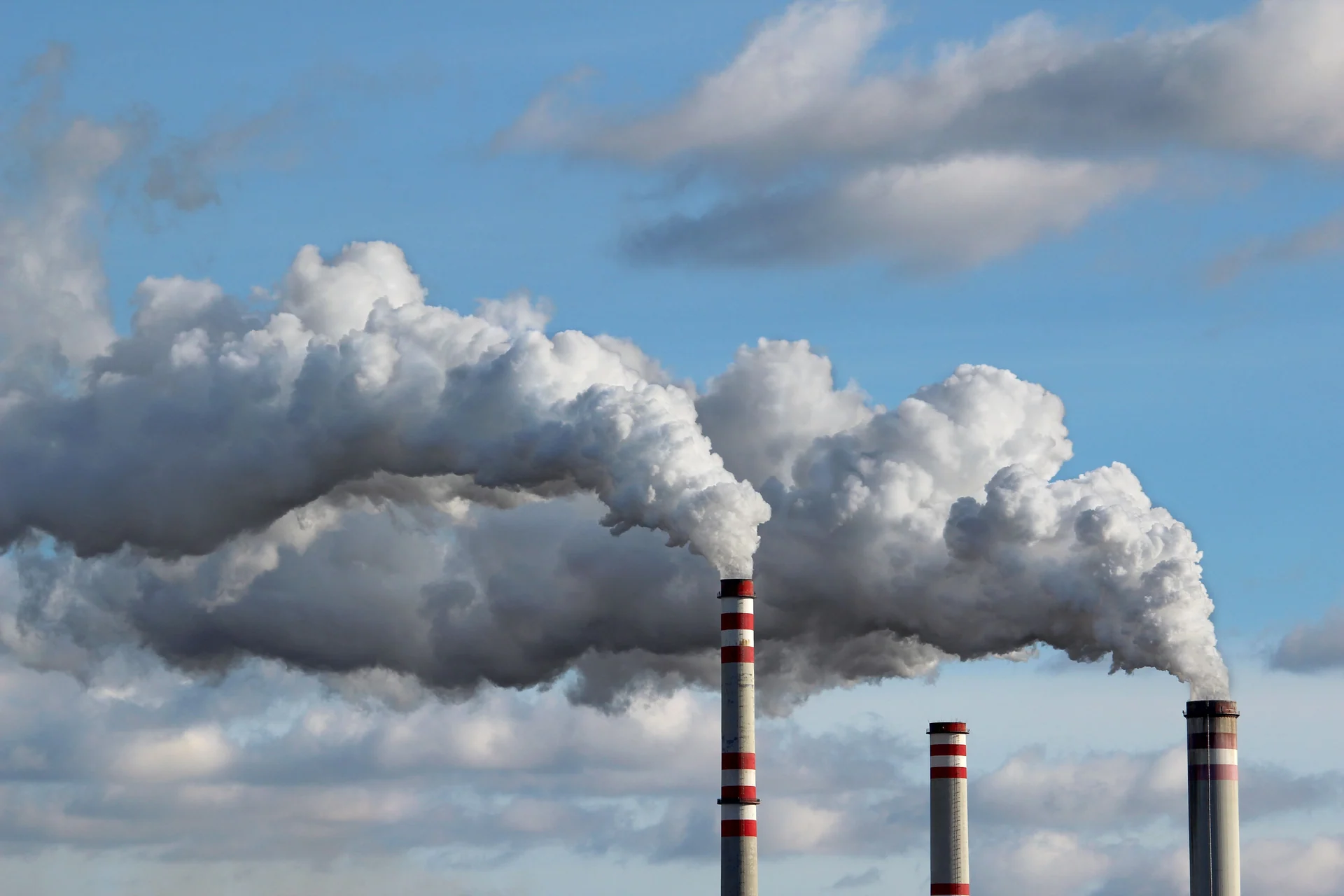
The Role of Seasons in PFAS Pollution
Seasonal variations can greatly influence PFAS pollution levels. Changes in temperature, precipitation, and human activities throughout the year affect how these substances are transported and concentrated in the environment. Understanding these seasonal dynamics is crucial for effective pollution control strategies.
During the warmer months, increased rainfall can lead to higher runoff, carrying PFAS from contaminated sites into waterways. This runoff can be particularly problematic in urban areas where impermeable surfaces funnel water quickly into storm drains.
Winter Challenges in PFAS Management
Winter introduces unique challenges in controlling PFAS pollution. In colder climates, snow and ice can temporarily trap these substances. However, as temperatures rise and snow melts, there can be a significant release of PFAS into the environment. This sudden influx can overwhelm water treatment systems and exacerbate contamination issues.

Mitigation Strategies for Different Seasons
Effective PFAS management requires tailored strategies for each season. In spring, when snowmelt is a concern, implementing advanced filtration in water treatment facilities can help reduce the sudden surge of contaminants. During summer, increased monitoring of water bodies and runoff channels is essential to detect and address potential spikes in PFAS levels.
In autumn, focusing on preventive measures such as using PFAS alternatives in industrial applications and improving waste management practices can help reduce the load entering the environment before winter sets in.
Community Awareness and Involvement
Raising awareness about PFAS pollution and its seasonal dynamics is crucial for community involvement in pollution control efforts. Public education campaigns can inform residents about the sources and risks associated with PFAS, encouraging them to take proactive steps in reducing exposure and advocating for cleaner practices.

Innovative Technologies in PFAS Control
Advancements in technology are paving the way for more effective PFAS pollution control. From innovative filtration systems to bioremediation techniques that use microorganisms to break down PFAS compounds, these technologies offer promising solutions. Investing in research and development is essential for staying ahead of the pollution curve.
Collaborations between government agencies, research institutions, and private companies can accelerate the deployment of these technologies, ensuring that communities are better equipped to tackle PFAS challenges year-round.
Part of the EcoGuardian journal. This article retains its original publication context; references to grants, regulations, research, and services may have changed since publication.