Understanding PFAS and Their Impact
Per- and polyfluoroalkyl substances (PFAS) are a group of man-made chemicals that have been used in various industries around the world since the 1940s. These substances are known for their persistence in the environment and the human body, earning them the nickname "forever chemicals." In Florida, the seasonal challenges related to PFAS are becoming increasingly significant as environmental shifts occur.
PFAS are found in a wide array of products, from firefighting foams to non-stick cookware. The resilience of these chemicals means they can accumulate in the environment and potentially impact water sources, wildlife, and human health. Understanding their presence and effects is crucial for effective management.
Seasonal Variations and Their Effects
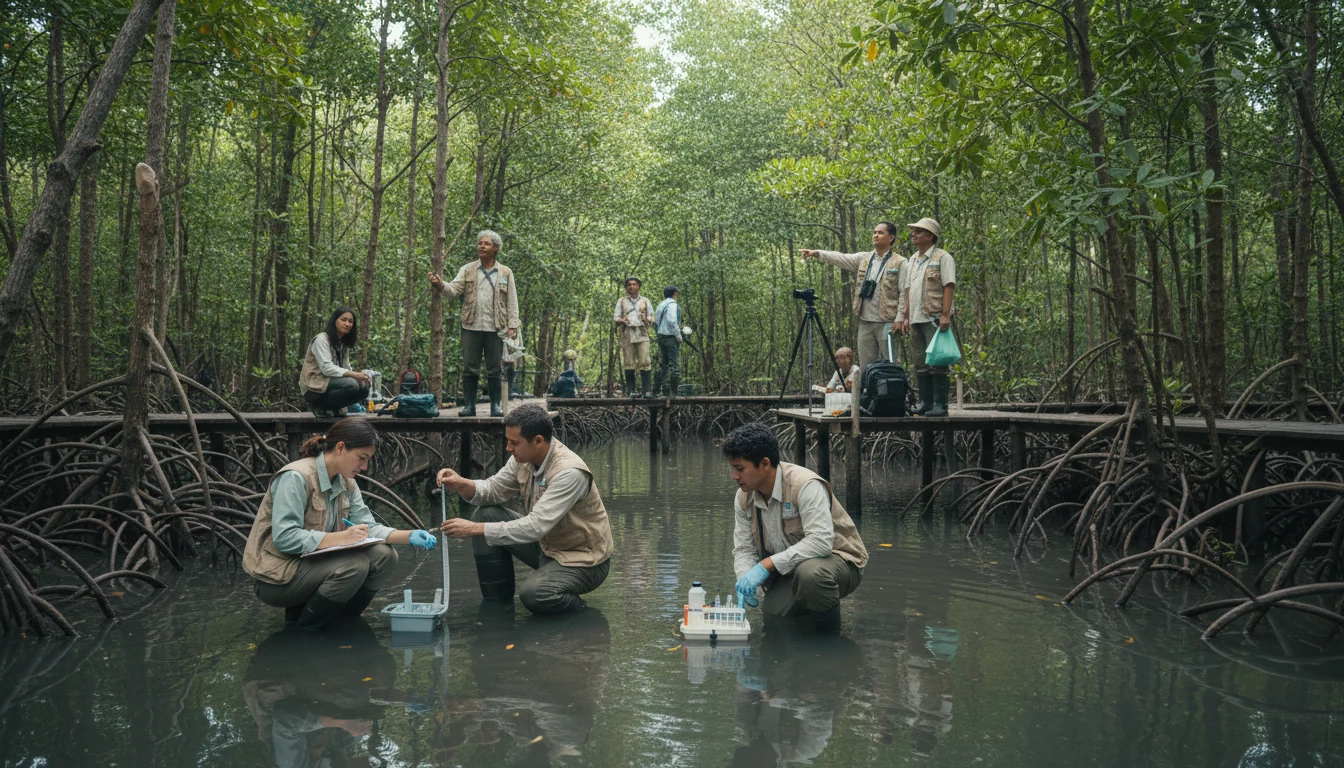
Florida's unique climate and geographical features create specific seasonal challenges in managing PFAS contamination. The state experiences distinct wet and dry seasons, which can influence the movement and concentration of PFAS in water bodies. During the wet season, increased rainfall can lead to runoff that carries PFAS into water sources.
Conversely, the dry season may see a concentration of these chemicals as water levels drop. This seasonal variation requires adaptive strategies to monitor and mitigate PFAS impacts effectively. Local governments and environmental agencies need to be especially vigilant during these times.

Strategies for Addressing Seasonal PFAS Challenges
Preparing for these seasonal shifts involves several strategies. Here are some key approaches:
- Regular Monitoring: Conducting regular water quality assessments to track PFAS levels throughout the year.
- Infrastructure Improvements: Upgrading water treatment facilities to better filter and manage PFAS contaminants.
- Public Awareness: Educating the community about PFAS sources and safe disposal practices.
Regulatory and Community Actions
Regulatory agencies in Florida are working towards establishing stricter guidelines for PFAS levels in drinking water. These efforts are part of a broader initiative to protect public health and the environment. Collaboration between state and local governments is essential to effectively address these challenges.

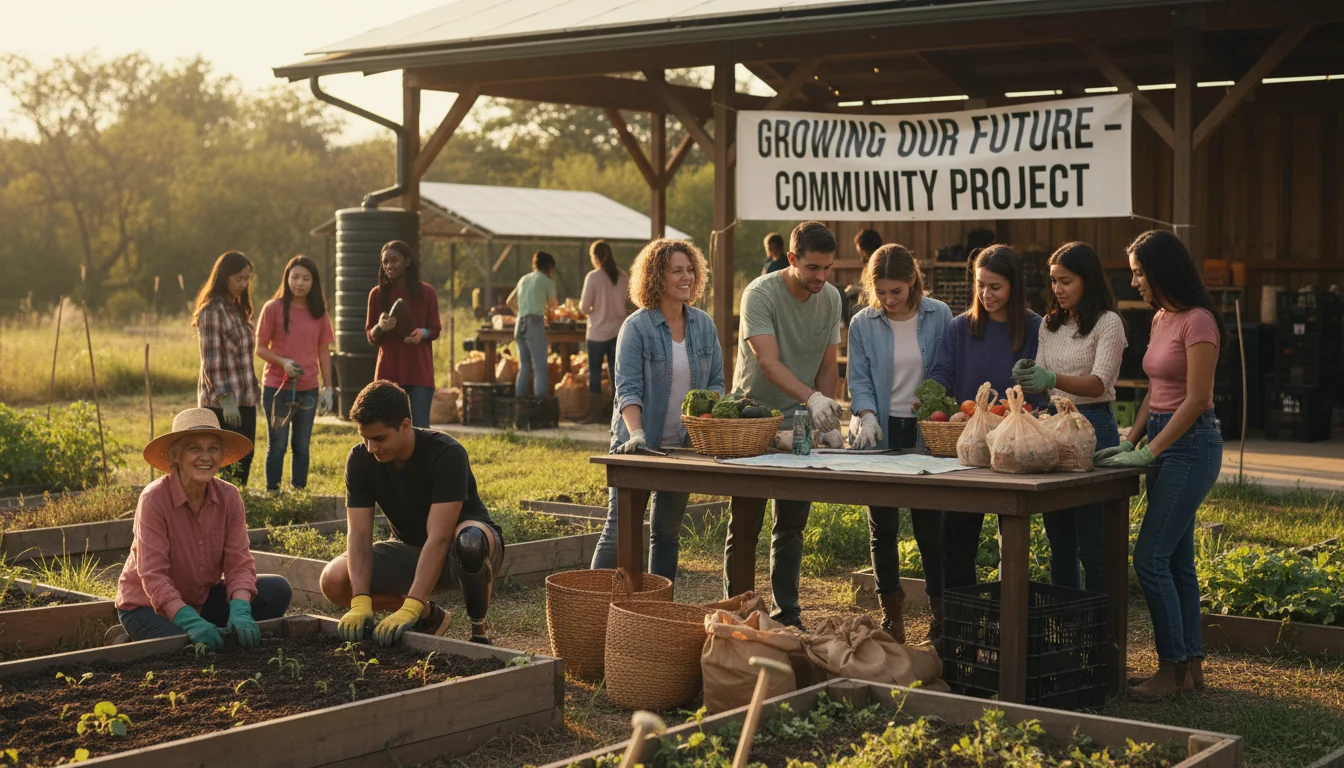
Community involvement also plays a pivotal role. Residents can contribute by staying informed about PFAS issues and advocating for clean water initiatives. Local groups and organizations often provide resources and support for those looking to make a difference.
Looking to the Future
As research continues, new solutions and technologies are expected to emerge, offering more effective ways to manage PFAS contamination. Florida's proactive stance in addressing these issues sets a precedent for other states facing similar challenges. By staying informed and involved, both individuals and communities can help mitigate the impact of these persistent chemicals.
Ultimately, addressing seasonal PFAS challenges in Florida requires a comprehensive approach that combines scientific research, regulatory action, and community engagement. As environmental conditions evolve, so too must our strategies for ensuring a safe and healthy environment for future generations.
Part of the EcoGuardian journal. This article retains its original publication context; references to grants, regulations, research, and services may have changed since publication.