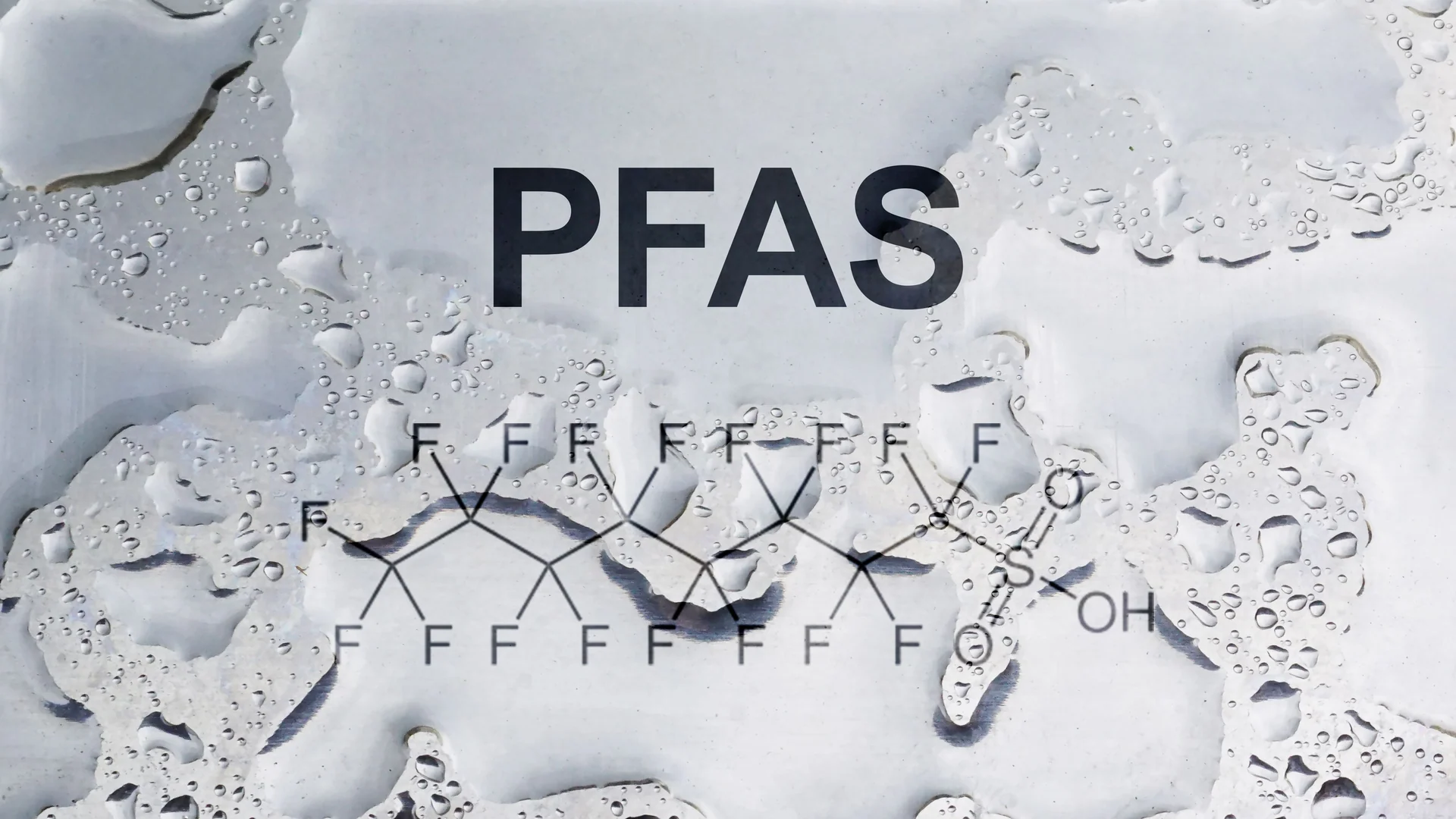
Understanding PFAS and Their Seasonal Impact
Per- and polyfluoroalkyl substances (PFAS) are a group of human-made chemicals that have been widely used in industries around the globe. Known for their resistance to water, grease, and heat, PFAS are found in a variety of products. However, their persistence in the environment raises significant health and ecological concerns.
During the summer, increased temperatures and outdoor activities can exacerbate PFAS exposure. It's crucial for industries, municipalities, and individuals to implement effective management practices to minimize risks.

Key Strategies for Managing PFAS in the Summer
Enhance Monitoring and Testing
Regular monitoring and testing are essential to keeping PFAS levels in check. During summer, increased rainfall and stormwater runoff can lead to higher PFAS levels in water bodies. Conduct frequent tests to assess any fluctuations and respond accordingly.
Optimize Water Treatment Processes
Water treatment facilities should adapt their processes to deal with seasonal changes. Implementing advanced filtration technologies like activated carbon filters or ion exchange resins can effectively reduce PFAS concentrations. Ensure that these systems are operating optimally, especially during peak summer months.

Community Engagement and Awareness
Educate the Public
Public awareness is crucial in managing PFAS effectively. Launch educational campaigns to inform communities about the sources of PFAS and their potential health impacts. Encourage individuals to take preventive measures, such as using PFAS-free products.
Promote Safe Disposal Practices
Improper disposal of products containing PFAS can lead to environmental contamination. Advocate for safe disposal practices by providing information on designated drop-off locations and recycling programs. This minimizes the risk of PFAS entering landfills and waterways.

Industry Best Practices
Adopt Safer Alternatives
Industries should explore and adopt safer alternatives to PFAS in their manufacturing processes. Research and development of non-toxic substitutes can significantly reduce the prevalence of PFAS in products and the environment.
Regular Compliance Checks
Ensure that your business complies with local and federal regulations regarding PFAS management. Regular audits and compliance checks can help detect issues early and prevent costly fines or environmental damage.

Conclusion
Effective PFAS management during the summer requires a combination of monitoring, community engagement, and industry responsibility. By implementing these best practices, we can protect our environment and health from the adverse effects of PFAS. Stay informed, proactive, and committed to making a difference.
Part of the EcoGuardian journal. This article retains its original publication context; references to grants, regulations, research, and services may have changed since publication.