Understanding PFAS and Their Environmental Impact
Per- and polyfluoroalkyl substances (PFAS) are a group of man-made chemicals that have been used in various industries around the globe since the 1940s. These substances are known for their resistance to heat, water, and oil, making them valuable in producing non-stick cookware, water-repellent clothing, and firefighting foams. However, PFAS have been linked to adverse environmental and health effects, prompting increased scrutiny and regulation.
PFAS are often referred to as "forever chemicals" due to their persistence in the environment and difficulty in breaking down. This persistence can lead to accumulation in water supplies, soil, and even the human body. As awareness of their impact grows, so does the need for effective management strategies, especially as we face seasonal environmental changes.

The Importance of Seasonal PFAS Management
Environmental conditions vary with the seasons, affecting how PFAS interact with ecosystems. For instance, increased rainfall in the spring can lead to greater runoff, potentially spreading PFAS contaminants over wider areas. Similarly, temperature changes can influence the chemical reactions involving PFAS, impacting their degradation or accumulation.
Effective management of PFAS involves adapting strategies to these seasonal changes. By understanding and anticipating these variations, organizations can minimize the environmental impact and protect public health more effectively.

Spring and Summer Considerations
During spring and summer, higher temperatures and increased rainfall can lead to increased mobility of PFAS. This period is crucial for monitoring water sources and implementing measures to prevent contamination spread. Strategies include:
- Enhanced Monitoring: Regular testing of water supplies to detect PFAS levels.
- Runoff Management: Implementing barriers or vegetation buffers to reduce runoff.
- Public Awareness: Educating communities about potential risks and safety measures.

Fall and Winter Challenges
As temperatures drop in the fall and winter, PFAS can become more stable in soil and water, potentially leading to accumulation. During these months, it's essential to focus on:
- Soil Management: Utilizing soil amendments to reduce PFAS bioavailability.
- Infrastructure Inspection: Checking and repairing potential leaky pipelines and storage facilities.
- Data Analysis: Reviewing collected data to adapt future strategies effectively.
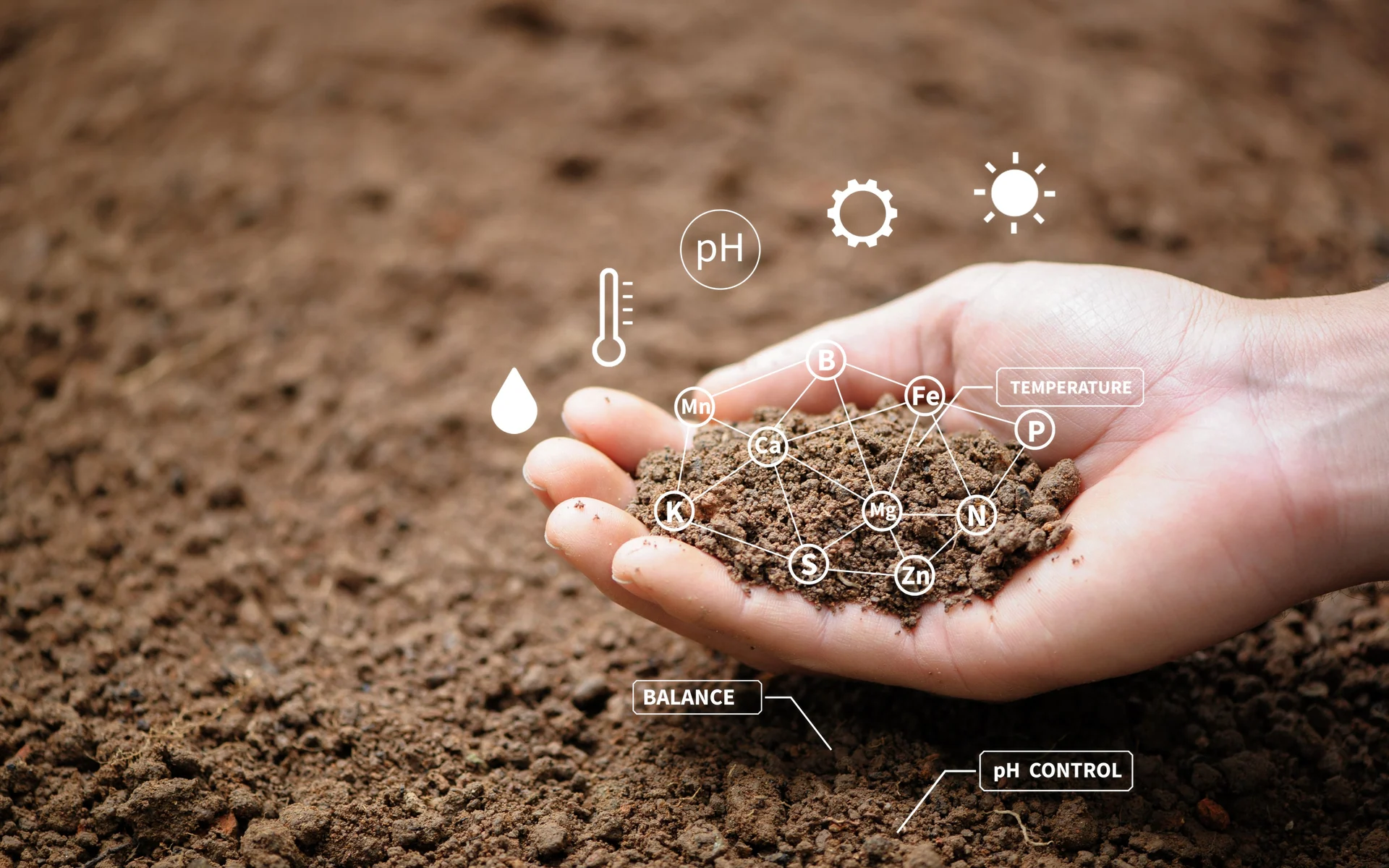
Implementing Year-Round Strategies
While seasonal adjustments are critical, having a robust year-round PFAS management plan is equally important. This includes investing in long-term solutions such as advanced filtration systems, regular training for environmental professionals, and continuous research into alternative materials that do not rely on PFAS.
Organizations should also foster collaboration between government agencies, industry stakeholders, and local communities to ensure comprehensive and effective management strategies. By working together, we can mitigate the risks associated with PFAS and promote a healthier environment.

Conclusion
Seasonal PFAS management is a dynamic and essential process that requires constant vigilance and adaptation. By understanding the interplay between PFAS and environmental changes, we can develop strategic approaches that minimize their impact. Through proactive management and collaboration, we can protect our ecosystems and public health from the challenges posed by these persistent chemicals.
Part of the EcoGuardian journal. This article retains its original publication context; references to grants, regulations, research, and services may have changed since publication.