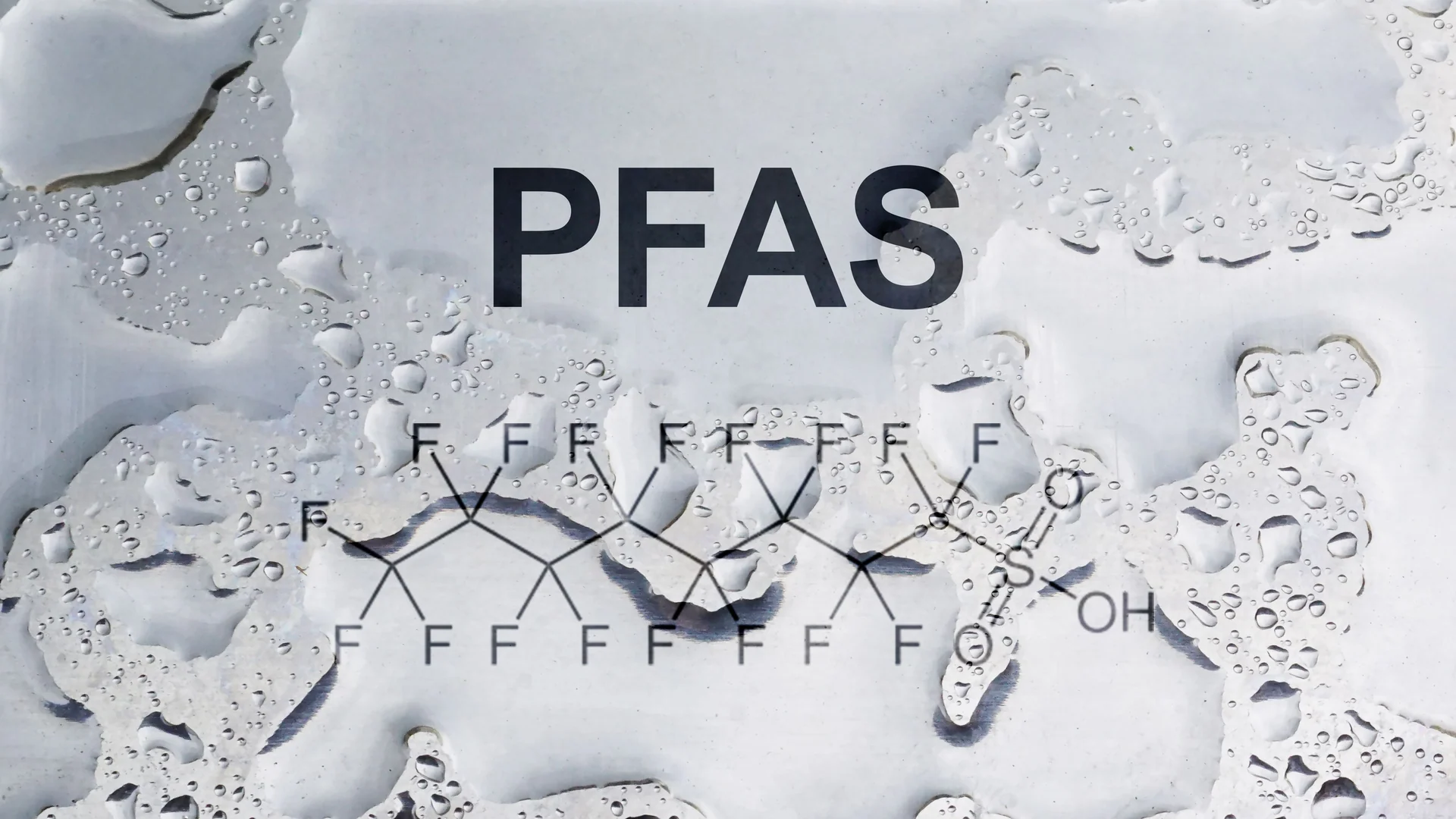
Per- and polyfluoroalkyl substances (PFAS) have become a significant environmental concern due to their persistence and potential health impacts. As industries and communities strive to manage these substances, understanding seasonal variations and their effects is crucial. Preparing for these environmental challenges requires strategic planning and proactive measures.

Understanding Seasonal Variations
PFAS levels and behaviors can fluctuate with the seasons. For instance, colder temperatures may slow down the degradation processes, leading to higher concentrations in certain areas. Conversely, warmer seasons can enhance the mobility of these substances, spreading them further across environments.
Seasonal changes in precipitation patterns can also impact PFAS distribution. Increased rainfall may lead to runoff, potentially carrying PFAS into water bodies. Understanding these patterns allows for more accurate risk assessments and informed decision-making.
Monitoring and Data Collection
Effective management starts with comprehensive data collection. Regular monitoring during different seasons helps identify trends and potential hotspots for PFAS accumulation. Utilizing advanced analytical tools and technologies can enhance the accuracy and efficiency of this process.

- Install monitoring stations at critical points.
- Use remote sensing for large-scale assessments.
- Employ GIS tools for spatial analysis.
Implementing Adaptive Management Strategies
Adaptive management involves adjusting strategies based on real-time data and evolving conditions. This approach is particularly useful in managing PFAS, as it allows for flexibility in response to seasonal changes. Regularly updating management plans ensures that they remain relevant and effective.
Collaboration with local authorities and stakeholders can enhance the implementation of adaptive strategies. Sharing information and resources enables a more comprehensive approach to PFAS management.

Proactive Measures and Best Practices
Incorporating best practices is essential for effective PFAS management. Implementing proactive measures can reduce the risks associated with seasonal variations. Some best practices include:
- Regularly updating training programs for personnel.
- Adopting sustainable waste management practices.
- Utilizing advanced filtration systems to treat contaminated water.
Community Engagement and Education
Engaging the community is critical in managing PFAS effectively. Educating the public about the risks and the steps being taken to mitigate them fosters trust and cooperation. Community workshops and informational sessions can be valuable tools for this purpose.
Providing clear communication about the seasonal strategies in place can reassure the public and encourage proactive involvement in environmental initiatives. Transparency is a key factor in building community support.

In conclusion, managing PFAS effectively requires a comprehensive understanding of seasonal dynamics and their impact on environmental behavior. Through strategic planning, adaptive management, and community involvement, challenges can be addressed proactively, ensuring a safer environment for all.
Part of the EcoGuardian journal. This article retains its original publication context; references to grants, regulations, research, and services may have changed since publication.