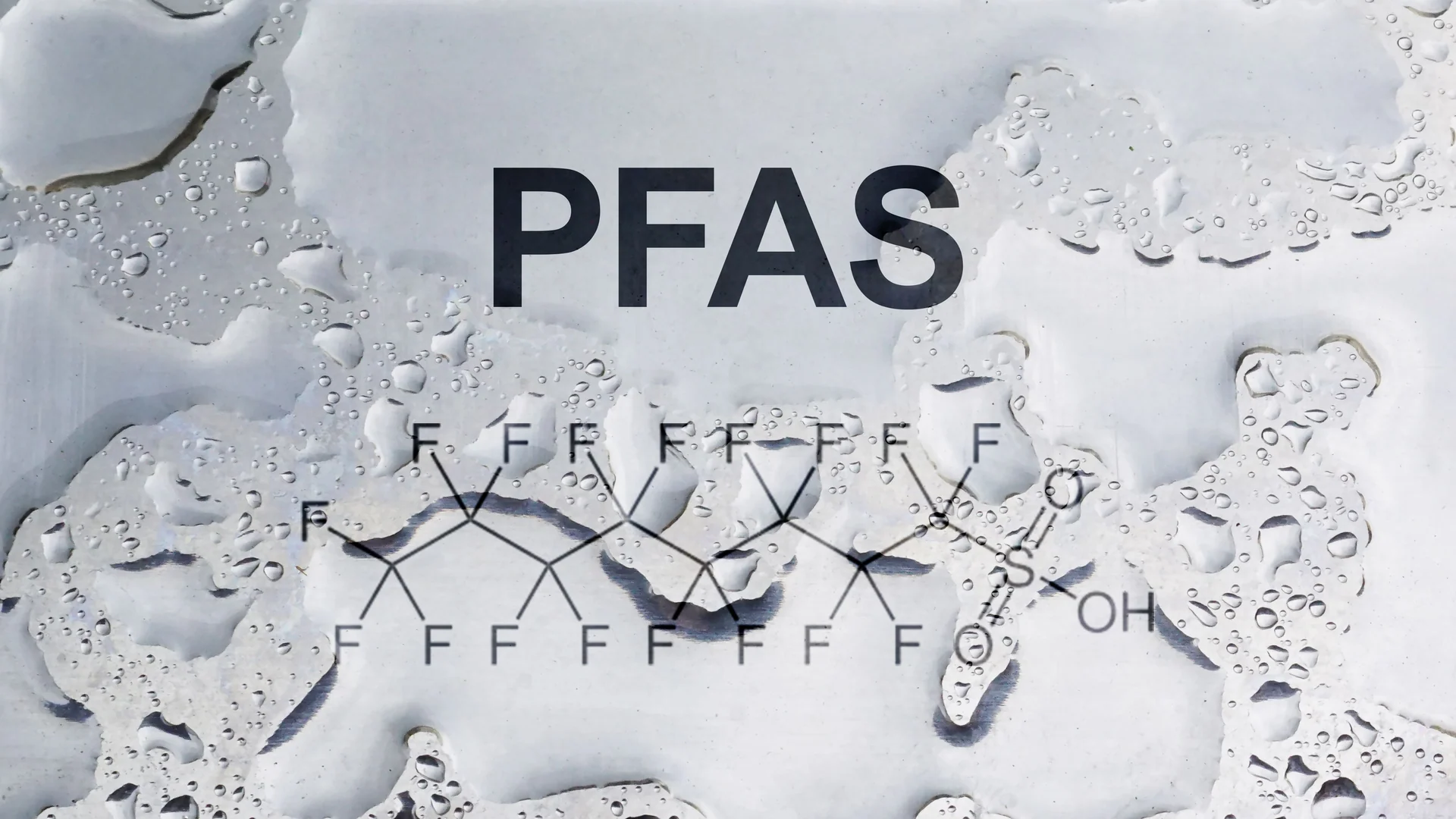
Understanding PFAS and Their Environmental Impact
Per- and polyfluoroalkyl substances (PFAS) are a group of man-made chemicals that have been widely used in various industries around the world. Known for their resistance to heat, water, and oil, PFAS are found in products such as non-stick cookware, water-repellent clothing, and firefighting foams. However, their persistence in the environment poses significant challenges for environmental management.
The unique chemical structure of PFAS makes them extremely durable, which is why they are often referred to as "forever chemicals." They do not break down easily, leading to their accumulation in the environment and potential contamination of water sources.

Seasonal Variations and Their Effects on PFAS
Seasonal changes can significantly affect the distribution and concentration of PFAS in the environment. For instance, during the rainy season, increased runoff can lead to the spread of contaminants into larger water bodies. Conversely, in drier months, evaporation might concentrate PFAS levels in certain areas.
Understanding these seasonal patterns is crucial for developing effective PFAS management strategies. By anticipating changes, environmental managers can better allocate resources and prioritize areas for intervention.

Strategies for Effective PFAS Management
Monitoring and Data Collection
Continuous monitoring is essential for understanding PFAS dynamics. Implementing a robust monitoring system allows for the collection of vital data, helping to identify trends and inform management decisions. Utilizing advanced analytical tools can enhance the accuracy and efficiency of data collection.
Implementing Adaptive Management Plans
Adaptive management involves flexible decision-making processes that can be adjusted as new information becomes available. By employing adaptive strategies, environmental managers can respond swiftly to unexpected changes in PFAS distribution and concentration.

Community Involvement and Education
Engaging local communities in PFAS management efforts is crucial. Educating the public about the sources and risks of PFAS can foster community support and collaboration. Public awareness campaigns can also encourage more sustainable consumer choices, reducing the demand for PFAS-containing products.
Moreover, involving communities in monitoring efforts can expand the reach of data collection and enhance the overall effectiveness of management strategies.
Technological Innovations in PFAS Management
Advancements in technology offer promising solutions for PFAS remediation. Techniques such as advanced oxidation processes, biochar application, and membrane filtration are showing potential in reducing PFAS concentrations in contaminated areas.
Investing in research and development of these technologies can lead to more efficient and cost-effective management options, helping to mitigate the long-term impacts of PFAS on the environment.

Conclusion
As the challenges posed by PFAS continue to evolve, it is imperative to adopt a proactive and adaptable approach to environmental management. By understanding seasonal variations, utilizing advanced technologies, and engaging communities, we can develop more effective strategies to manage PFAS and protect our ecosystems for future generations.
Part of the EcoGuardian journal. This article retains its original publication context; references to grants, regulations, research, and services may have changed since publication.