Seasonal Strategies for PFAS Management in Florida’s Wetlands


Understanding PFAS in Florida's Wetlands
Per- and polyfluoroalkyl substances (PFAS) are a group of man-made chemicals that pose significant environmental challenges. Their persistence in the environment makes them particularly concerning for regions like Florida, where wetlands play a crucial role in the ecosystem. Managing PFAS effectively requires a strategic approach that adapts to seasonal changes.

The Seasonal Impact on PFAS Levels
Florida experiences distinct wet and dry seasons, each affecting PFAS distribution and concentration. During the wet season, increased rainfall can lead to higher PFAS runoff into wetlands. Conversely, the dry season may concentrate PFAS levels as water evaporates, necessitating different management techniques.
Strategies for the Wet Season
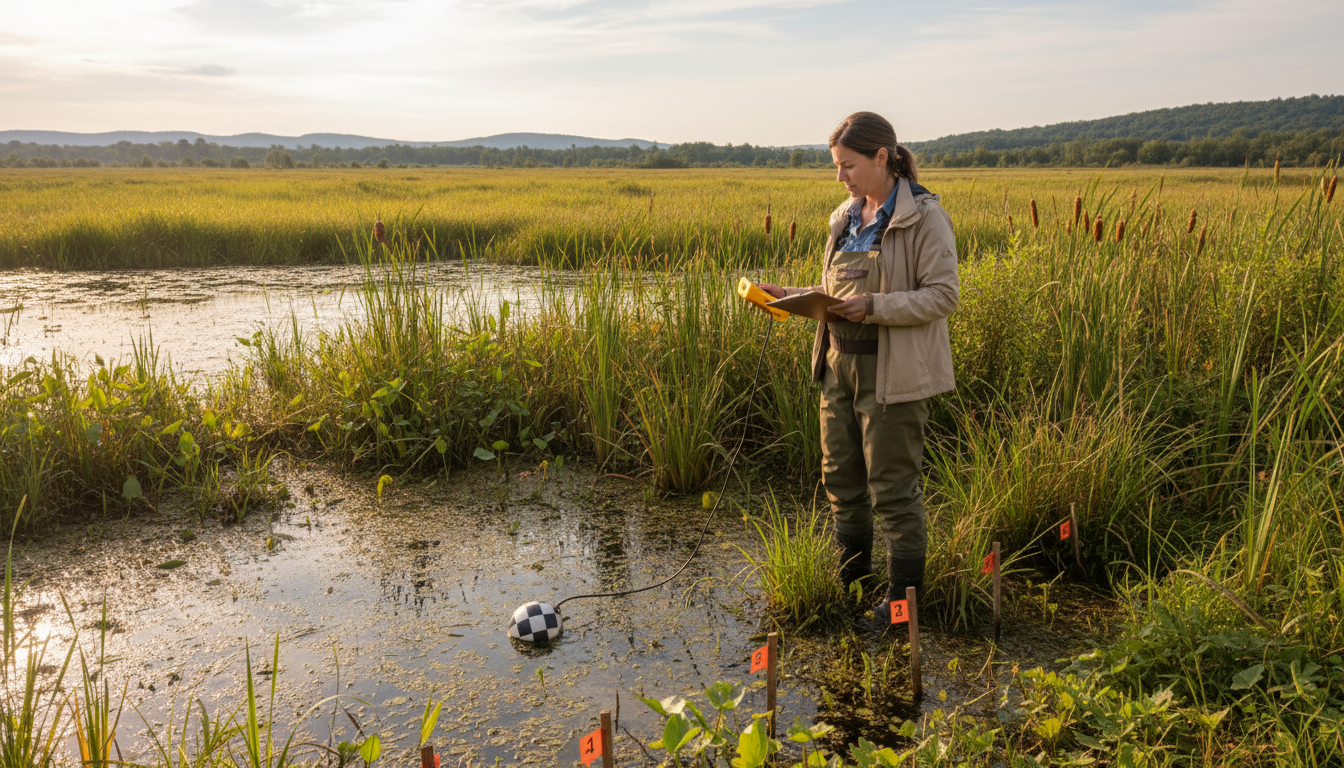
In the wet season, focus on reducing PFAS runoff by implementing buffer zones and enhancing vegetation around water bodies. These natural barriers can help absorb and filter out pollutants before they reach wetlands. Additionally, regular monitoring of PFAS levels is essential to respond promptly to any spikes.
- Establish buffer zones with native plants.
- Enhance wetland vegetation to improve filtration.
- Conduct frequent water quality assessments.
Managing PFAS During the Dry Season
During the dry months, evaporation can increase PFAS concentrations. Strategies should include maintaining adequate water levels to prevent excessive concentration and employing soil remediation techniques to treat contaminated sites. Utilizing technologies like activated carbon filters can also help reduce PFAS levels.
- Maintain water levels in key areas.
- Implement soil remediation strategies.
- Use activated carbon filtration.
Collaborative Efforts and Community Involvement
Effective PFAS management requires collaboration among government agencies, environmental organizations, and local communities. Engaging with stakeholders ensures a comprehensive approach and leverages local knowledge and resources. Community education programs can also play a critical role in raising awareness and promoting sustainable practices.
Developing partnerships with research institutions can facilitate the sharing of data and innovations in PFAS management. These collaborations can lead to the development of more efficient methods and technologies tailored to Florida's unique environmental conditions.

Innovative Technologies and Approaches
Advancements in technology offer promising solutions for PFAS management. Techniques such as phytoremediation, which utilizes plants to absorb contaminants, and advanced filtration systems can significantly reduce PFAS impact. Staying informed about the latest innovations is crucial for implementing effective management strategies.
By integrating these innovative approaches with traditional methods, Florida can enhance its capability to manage PFAS in wetlands sustainably. Continuous research and adaptation to new findings will ensure the long-term health of these vital ecosystems.