Understanding PFAS Contamination
Per- and polyfluoroalkyl substances (PFAS) have become a growing concern in water management. These man-made chemicals, often referred to as "forever chemicals," are resistant to environmental degradation, posing significant challenges for water safety. Understanding the sources and effects of PFAS is crucial for effective management and remediation.
PFAS can be found in a wide range of products, from firefighting foams to non-stick cookware. Their persistence in the environment means they can accumulate in water sources, leading to potential health risks. As awareness of PFAS grows, so does the need for comprehensive strategies to manage their impact on water quality and public health.
Seasonal Impacts on Water Quality
Seasonal changes can significantly influence water quality and the behavior of contaminants like PFAS. During certain times of the year, factors such as rainfall, temperature fluctuations, and agricultural activities can increase the risk of PFAS entering water systems. Understanding these seasonal variations helps in developing targeted management strategies.
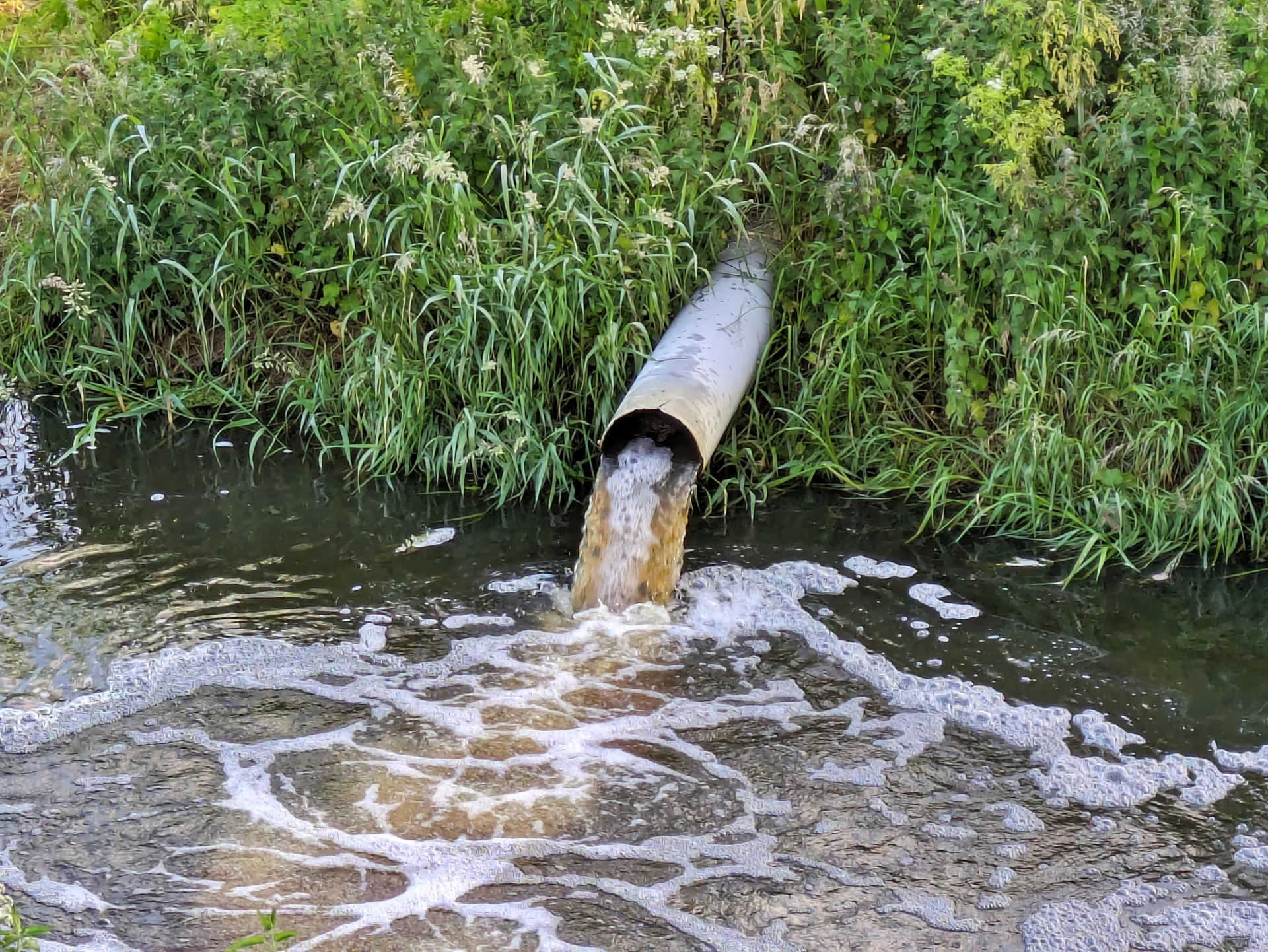
Spring and summer, for example, often see increased agricultural runoff, which can carry PFAS into water bodies. Additionally, warmer temperatures can enhance the chemical's mobility, making it more likely to spread. Recognizing these patterns is essential for implementing timely preventative measures.

Preparing for PFAS Contamination
Effective preparation for PFAS contamination involves several strategic steps. Water management authorities and property owners must collaborate to identify potential sources and implement best practices for mitigation. Here are some key steps to consider:
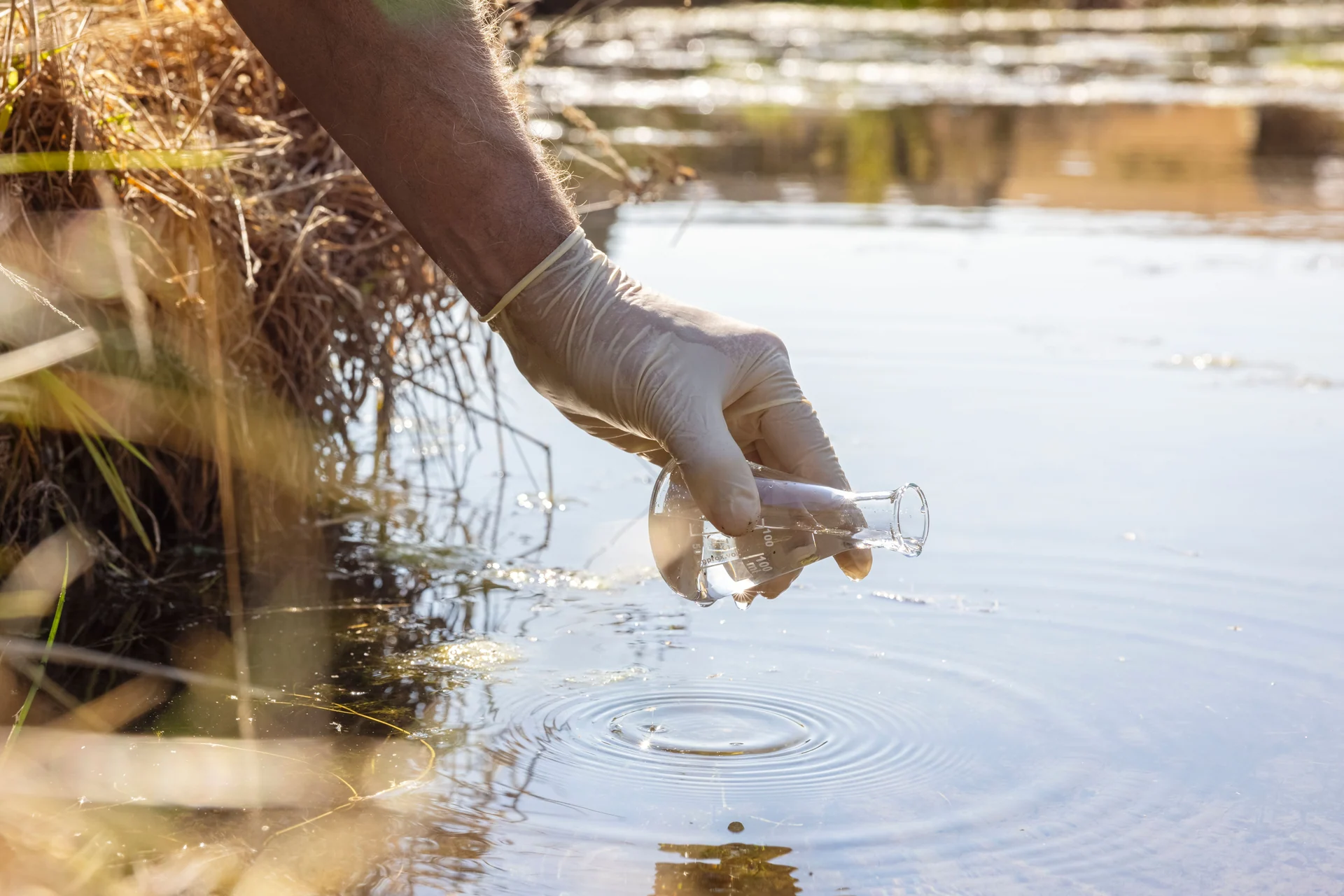
- Conduct Regular Testing: Frequent testing of water sources can help detect PFAS levels early, allowing for prompt action.
- Implement Filtration Systems: Advanced filtration technologies can reduce PFAS levels in drinking water, providing a safer supply.
- Educate the Community: Informing the public about PFAS risks and prevention measures can enhance community resilience.
Collaborative Efforts and Innovations
Addressing PFAS contamination requires collaboration between government agencies, industries, and local communities. Innovative solutions, such as new filtration technologies and chemical alternatives, are being developed to tackle this issue effectively. Research and development play a pivotal role in finding sustainable solutions to PFAS contamination.
Partnerships with environmental organizations and research institutions can foster the exchange of knowledge and resources, enhancing the capacity to manage and mitigate PFAS risks. By working together, stakeholders can develop comprehensive plans that address both current and future challenges.

Long-term Water Management Strategies
Developing long-term water management strategies is crucial for adapting to the evolving challenges posed by PFAS and other contaminants. These strategies should include continuous monitoring, investment in new technologies, and policy adaptations to reflect the latest scientific findings.
Regulatory frameworks must also evolve to support these efforts, ensuring that water management practices remain effective and responsive to new threats. By prioritizing sustainability and innovation, communities can safeguard their water resources for generations to come.
Conclusion
Preparing for PFAS contamination is a critical aspect of seasonal water management. By understanding the nature of PFAS, recognizing seasonal impacts, and implementing strategic measures, we can effectively protect our water resources. As the landscape of water management continues to change, staying informed and proactive is key to ensuring a safe and healthy environment.

Part of the EcoGuardian journal. This article retains its original publication context; references to grants, regulations, research, and services may have changed since publication.