The Impacts of PFAS on the Environment: What Engineers Need to Know


Understanding PFAS: An Overview
Per- and polyfluoroalkyl substances (PFAS) are a group of human-made chemicals that have been used in various industries around the globe since the 1940s. They are found in a range of everyday items such as non-stick cookware, water-repellent clothing, and firefighting foams. The resilience of PFAS, which makes them so useful, also leads to their persistence in the environment, earning them the nickname "forever chemicals."
Engineers working in environmental fields need to grasp the complexities of PFAS because they pose unique challenges. These chemicals do not break down easily, leading to widespread contamination concerns. As awareness grows, so does the demand for effective solutions to mitigate their impact.

The Environmental Impact of PFAS
PFAS have been detected in soil, water, and air, affecting ecosystems worldwide. Their ability to travel long distances and accumulate in the environment makes them particularly concerning. As they infiltrate groundwater, they can enter drinking water supplies, posing risks to human health and wildlife.
Wildlife is not immune to the effects of PFAS, with studies showing bioaccumulation in fish, birds, and mammals. This accumulation affects growth, reproduction, and survival rates, which can have cascading effects on entire ecosystems.
PFAS in Water Systems
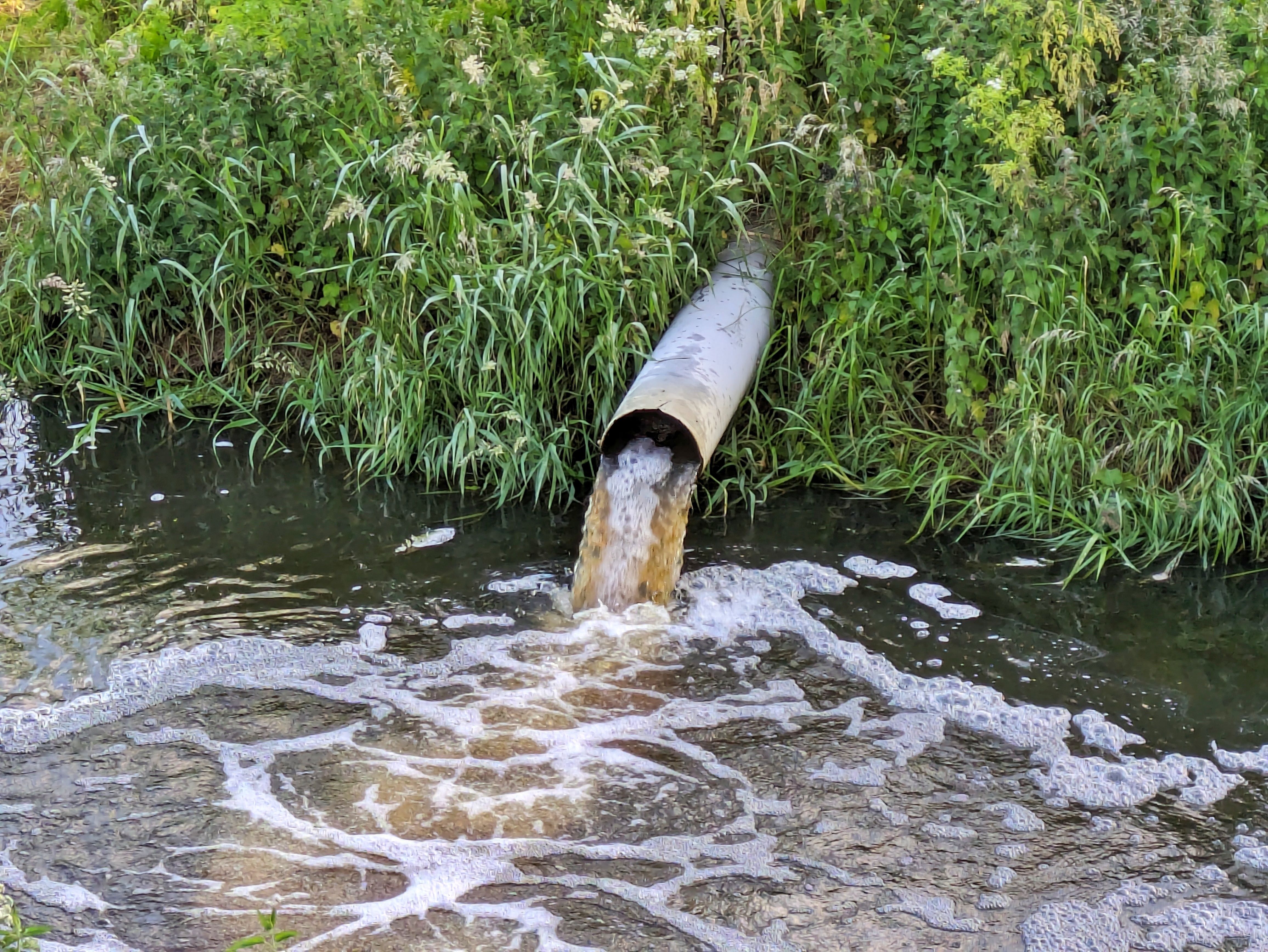
Water systems are particularly vulnerable to PFAS contamination. These chemicals can enter water supplies through industrial discharge, leaching from landfills, and even atmospheric deposition. Once in the water, they are challenging to remove due to their chemical stability.
Challenges for Engineers
Engineers face significant challenges when addressing PFAS contamination. Traditional water treatment methods are often ineffective, necessitating the development of innovative solutions. Advanced filtration techniques, such as granular activated carbon and ion exchange, are being explored to remove PFAS from water efficiently.
Soil remediation is another area requiring attention. Engineers must design and implement strategies that can isolate or remove PFAS from contaminated sites, ensuring minimal environmental impact.
Regulatory and Compliance Considerations
Regulations around PFAS are evolving rapidly. Engineers must stay informed about current guidelines and compliance requirements to ensure their projects meet legal standards. Understanding these regulations is crucial for developing sustainable and effective remediation strategies.

Innovative Solutions and Future Directions
Research into PFAS is ongoing, with scientists and engineers collaborating to find effective remediation technologies. Emerging solutions include advanced oxidation processes, electrochemical treatment, and bioremediation techniques.
Collaboration across disciplines is vital. Engineers, scientists, and policymakers must work together to develop comprehensive strategies that address the environmental and health impacts of PFAS, ensuring a safer future for all.
Conclusion
PFAS present a complex challenge for the engineering community. By understanding their impacts and exploring innovative solutions, engineers can play a crucial role in mitigating these "forever chemicals" and safeguarding our environment.