Understanding PFAS: A Comprehensive Guide for Environmental Professionals


Per- and polyfluoroalkyl substances (PFAS) are a group of man-made chemicals that have garnered significant attention in recent years due to their persistence in the environment and potential health impacts. Understanding these substances is crucial for environmental professionals tasked with managing and mitigating their effects.
What Are PFAS?
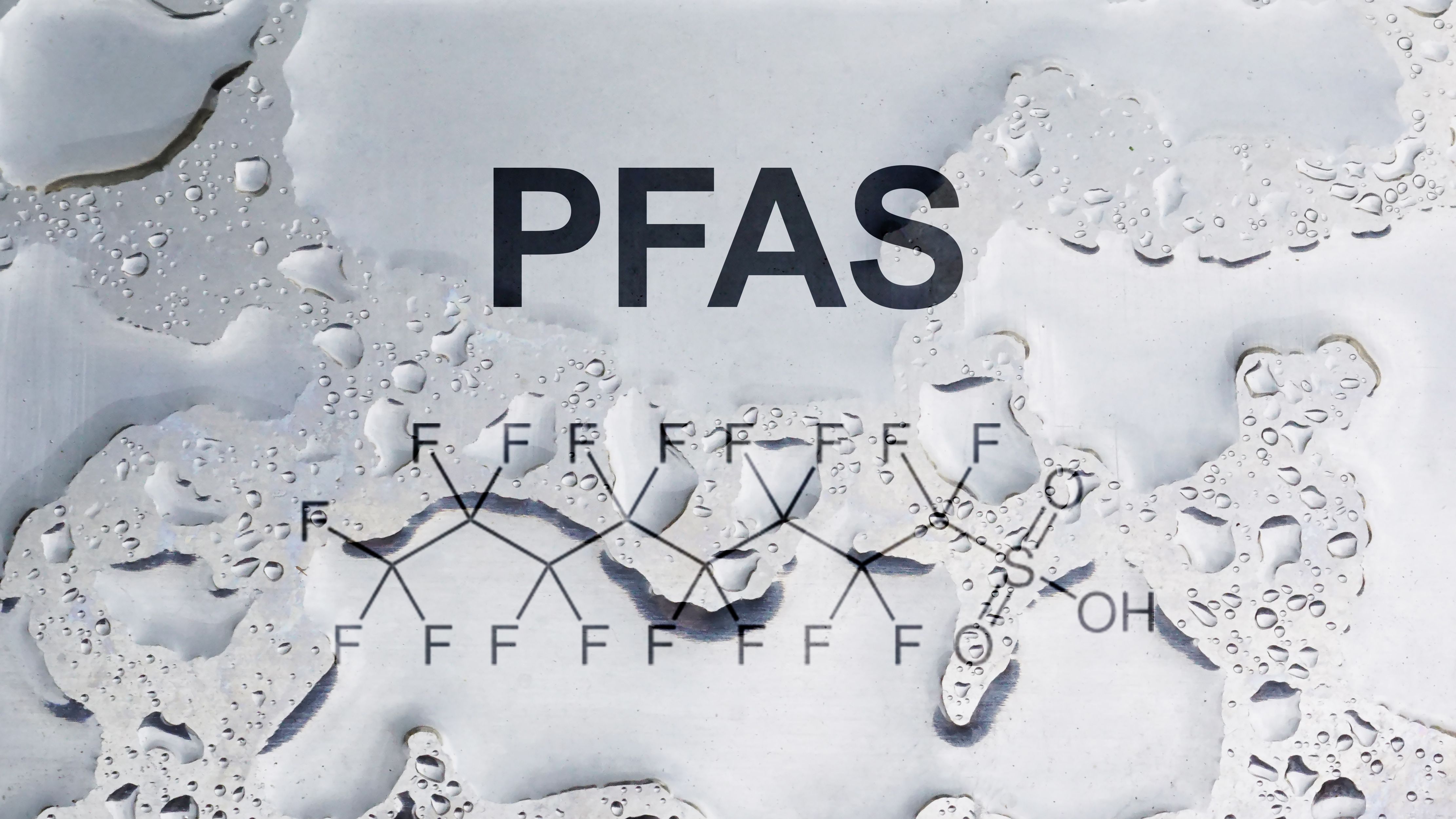
PFAS are a large family of chemicals used in various industrial and consumer products for their water- and grease-resistant properties. Common applications include non-stick cookware, water-repellent clothing, and firefighting foams. The chemical structure of PFAS makes them resistant to degradation, leading to their nickname as "forever chemicals."
The most studied PFAS compounds are PFOA and PFOS, both of which have been linked to adverse environmental and health effects. These chemicals can accumulate in the body over time, and research has suggested potential links to cancer, liver damage, and other health issues.
Environmental Impact of PFAS
PFAS have been detected in water, air, and soil across the globe. Due to their stability, they can travel long distances through these mediums, leading to widespread contamination. This is particularly concerning in areas near manufacturing sites or military bases where firefighting foams have been used extensively.
The persistence of PFAS in the environment poses a significant challenge for remediation efforts. Traditional water treatment methods are often ineffective at removing these compounds, necessitating the development of specialized technologies and strategies.
Current Remediation Techniques
Several techniques are currently being explored to address PFAS contamination. These include activated carbon filtration, ion exchange resins, and advanced oxidation processes. Each method has its benefits and limitations, and ongoing research aims to improve their efficiency and cost-effectiveness.

Regulatory Landscape
Regulations surrounding PFAS vary globally, with some countries imposing strict limits on their use and discharge. In the United States, the Environmental Protection Agency (EPA) has been working to establish guidelines for PFAS levels in drinking water, while the European Union has implemented comprehensive restrictions on their use in certain applications.
Staying informed about these regulations is essential for environmental professionals, as compliance not only ensures legal adherence but also protects public health and the environment.
Future Directions
As research into PFAS continues, the development of safer alternatives and improved remediation technologies is a key focus. Innovative approaches, such as phytoremediation and nanomaterials, are being investigated for their potential to effectively remove PFAS from the environment.

Understanding PFAS is a complex but necessary endeavor for environmental professionals. By staying informed and adopting best practices in monitoring and remediation, we can work towards minimizing the impact of these pervasive chemicals on our planet.