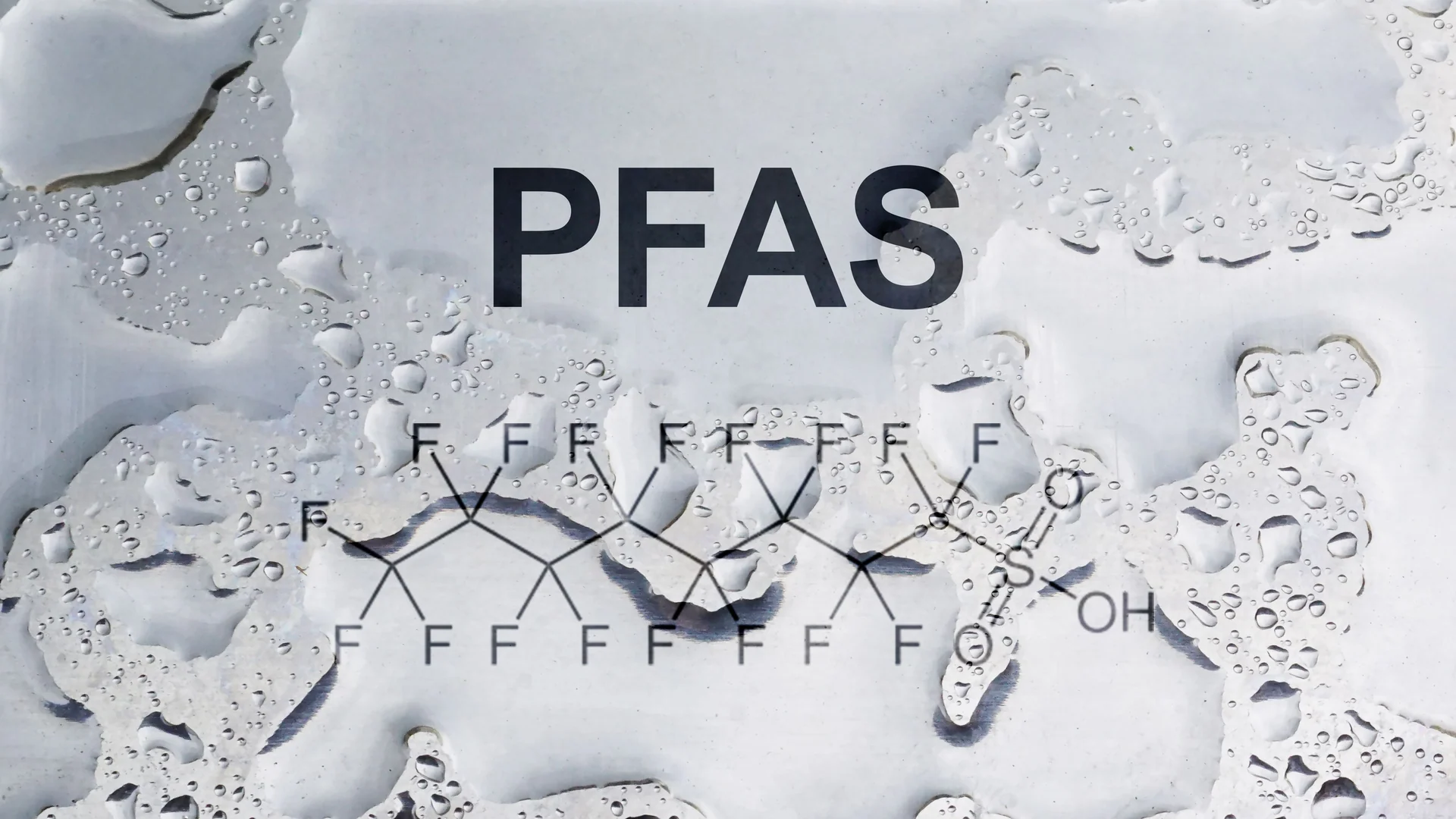
What Are PFAS?
Per- and polyfluoroalkyl substances (PFAS) are a large group of man-made chemicals that have been used in various industries around the globe since the 1940s. Known for their persistence, PFAS are often referred to as "forever chemicals" because they do not break down easily in the environment. These compounds are found in everyday products such as non-stick cookware, water-repellent clothing, and firefighting foams.
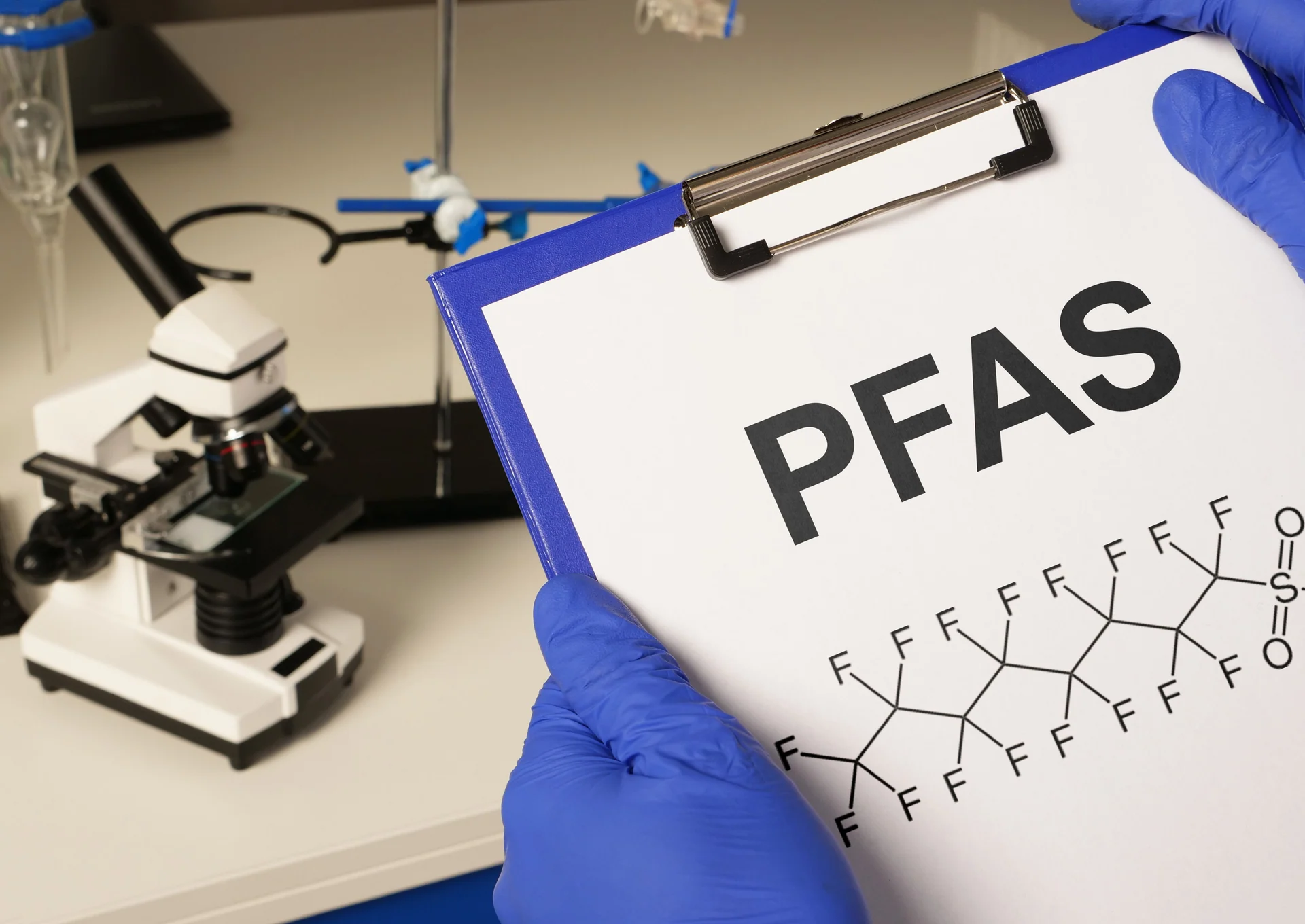
PFAS are a concern for environmental professionals because they can accumulate and contaminate soil and water sources, posing risks to both ecosystems and human health. Understanding their properties, sources, and impacts is crucial for effective management and remediation efforts.
Sources and Pathways
The primary sources of PFAS contamination include industrial sites, wastewater treatment plants, and landfills. These substances can enter the environment through various pathways, including air emissions, waste disposal, and product degradation. Once released, PFAS can travel long distances, contaminating water bodies and agricultural lands.
Understanding these pathways is essential for developing strategies to mitigate PFAS pollution. Environmental professionals should focus on identifying potential sources and implementing control measures to reduce emissions and prevent further contamination.

Health and Environmental Impacts
PFAS exposure has been linked to a range of health issues, including liver damage, thyroid disease, and increased risk of certain cancers. These chemicals can also affect reproductive and developmental health. Due to their persistence, PFAS can be found in the blood of humans and animals worldwide, raising concerns about long-term exposure.
In the environment, PFAS can disrupt ecosystems by affecting the health of wildlife and plants. Contaminated water sources can lead to the accumulation of these substances in fish and other aquatic organisms, impacting biodiversity and food safety.
Regulation and Management
Regulating PFAS is challenging due to their widespread use and persistence. However, many countries are taking steps to address this issue. The development of regulatory frameworks and guidelines is crucial for managing PFAS contamination. Environmental professionals play a key role in monitoring compliance and implementing best practices for remediation.

Effective management of PFAS requires a combination of prevention, monitoring, and remediation strategies. This includes promoting the use of alternative substances, improving waste management practices, and utilizing advanced technologies for cleanup efforts.
Future Directions
As research on PFAS continues to evolve, environmental professionals must stay informed about new findings and technologies. Collaboration between governments, industries, and researchers is essential to develop innovative solutions for PFAS management.
Emerging technologies, such as advanced filtration systems and bioremediation techniques, offer promising avenues for addressing PFAS contamination. By staying proactive and informed, environmental professionals can contribute to reducing the impact of these persistent chemicals on our planet.
Part of the EcoGuardian journal. This article retains its original publication context; references to grants, regulations, research, and services may have changed since publication.