
Introduction to PFAS
Per- and polyfluoroalkyl substances (PFAS) are a group of man-made chemicals that have been used in various industries worldwide since the 1940s. Known for their resistance to heat, water, and oil, PFAS are found in a wide range of products, from non-stick cookware to firefighting foams. This resilience, however, has led to widespread environmental and health concerns.
PFAS are often referred to as "forever chemicals" because they do not break down easily in the environment. As a result, they can accumulate over time, posing potential risks to both ecosystems and human health. Understanding the complexities of PFAS is crucial for environmental professionals working to mitigate their impact.

The Environmental Impact of PFAS
PFAS contamination is a growing concern due to its persistence in the environment. These chemicals have been detected in soil, water, and air, leading to significant challenges in environmental management. The primary sources of PFAS pollution include industrial discharge, landfill leachate, and the application of certain firefighting foams.
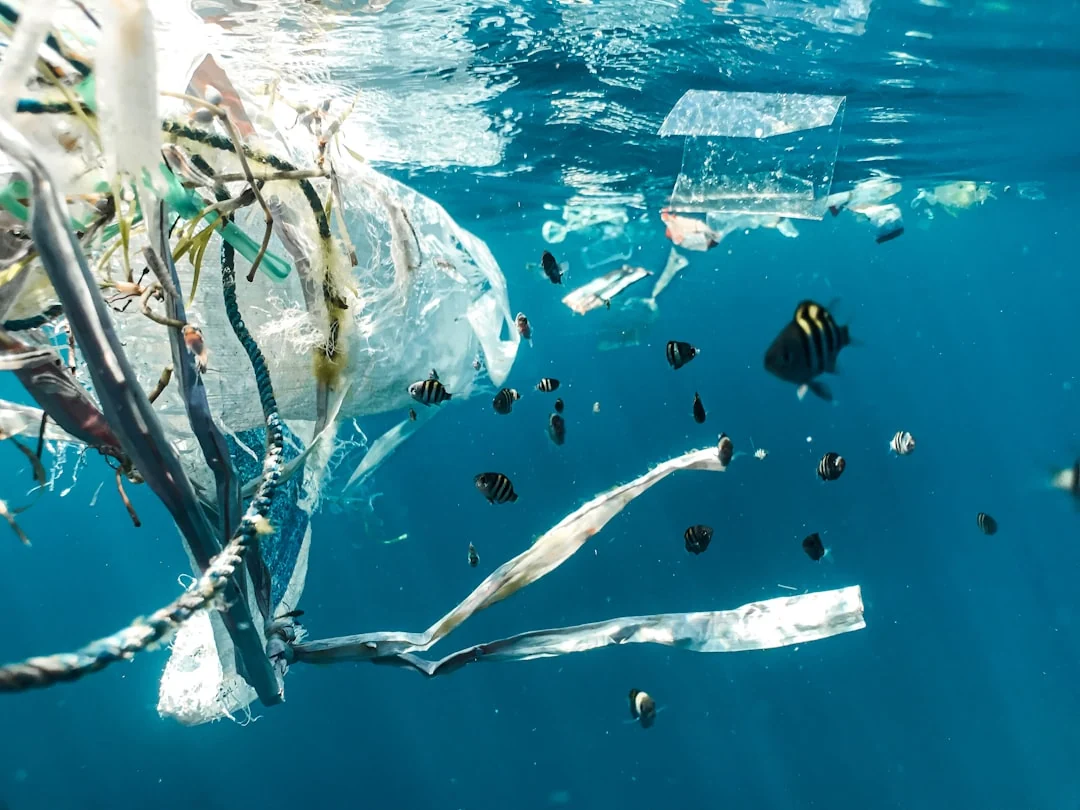
Once released into the environment, PFAS can travel long distances and enter water systems, affecting aquatic life and potentially entering the human food chain. The bioaccumulation of PFAS in wildlife poses a threat to biodiversity and ecological balance.
Health Risks Associated with PFAS
Exposure to PFAS has been linked to a variety of health issues. Studies suggest that these chemicals can affect the liver, immune system, and endocrine system. There is also evidence of PFAS contributing to increased cholesterol levels, thyroid hormone disruption, and even cancer.
Human exposure to PFAS can occur through contaminated drinking water, consumption of affected food, and even inhalation of dust containing these substances. Reducing exposure is vital, especially for vulnerable populations such as pregnant women and children.

Regulatory Framework and Guidelines
As awareness of the dangers of PFAS grows, regulatory bodies worldwide are implementing guidelines to manage and reduce exposure. In the United States, the Environmental Protection Agency (EPA) has established health advisories for certain PFAS compounds in drinking water.
Globally, countries are adopting various approaches to regulate the use and disposal of PFAS. Environmental professionals must stay informed about the evolving legal landscape to ensure compliance and effective management of PFAS-related challenges.
Strategies for PFAS Management
Addressing PFAS contamination requires a comprehensive approach. Key strategies include:
- Identifying and monitoring PFAS sources in the environment.
- Implementing treatment technologies to remove PFAS from contaminated sites.
- Promoting the development and use of safer alternatives to PFAS in industrial applications.
Innovative Solutions and Future Directions
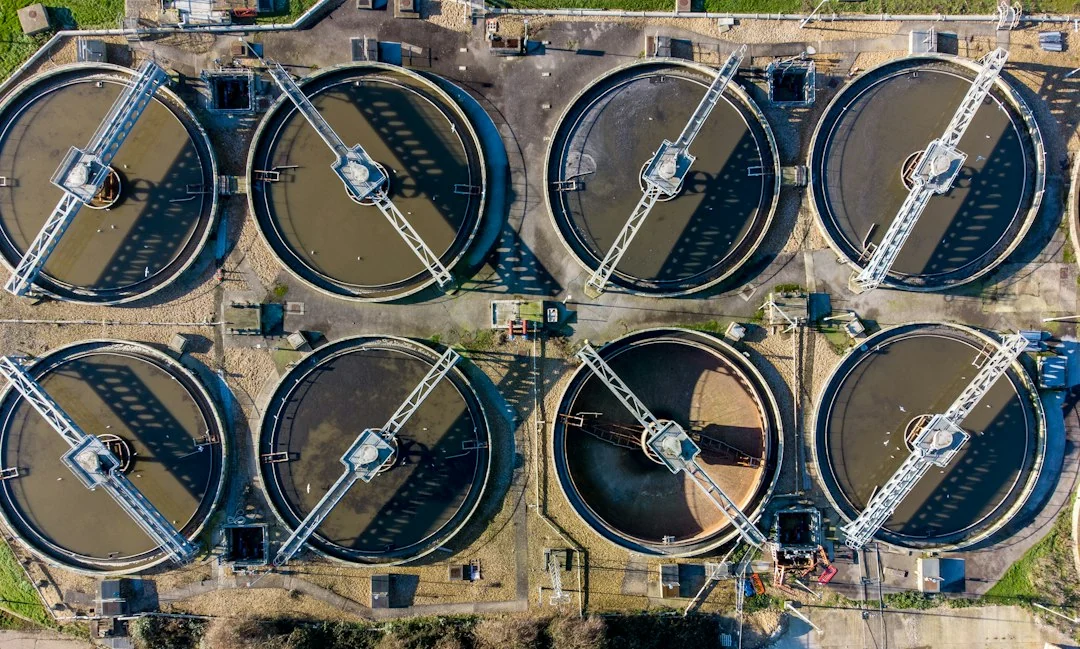
Researchers and environmental professionals are continually exploring innovative methods to tackle PFAS pollution. Advanced filtration systems, such as granular activated carbon and ion exchange resins, are being employed to treat contaminated water.
Bioremediation, using microorganisms to degrade PFAS, is another promising area of research. While these solutions are still in development, they represent a hopeful future for reducing PFAS impact on the environment.
The fight against PFAS contamination is ongoing, and collaboration among scientists, policymakers, and industry leaders is essential to safeguard our ecosystems and public health.
Part of the EcoGuardian journal. This article retains its original publication context; references to grants, regulations, research, and services may have changed since publication.