
What Are PFAS?
Per- and polyfluoroalkyl substances (PFAS) are a group of man-made chemicals that have been used in a wide range of industries around the world since the 1950s. These chemicals are known for their water and grease-resistant properties, making them ideal for products like non-stick cookware, water-repellent clothing, and firefighting foams.
The resilience of PFAS makes them incredibly useful but also problematic, as they do not break down easily in the environment. This characteristic has earned them the nickname "forever chemicals."
Why Are PFAS a Concern?
PFAS have become a significant environmental concern due to their persistence and potential health impacts. They can accumulate in the environment and in the human body over time. Studies have linked PFAS exposure to various health issues, including liver damage, thyroid problems, and increased risk of certain cancers.
Environmental professionals are particularly concerned about PFAS contamination in drinking water sources, as these chemicals can seep into the water supply through industrial discharges and firefighting activities.
Sources of PFAS Contamination
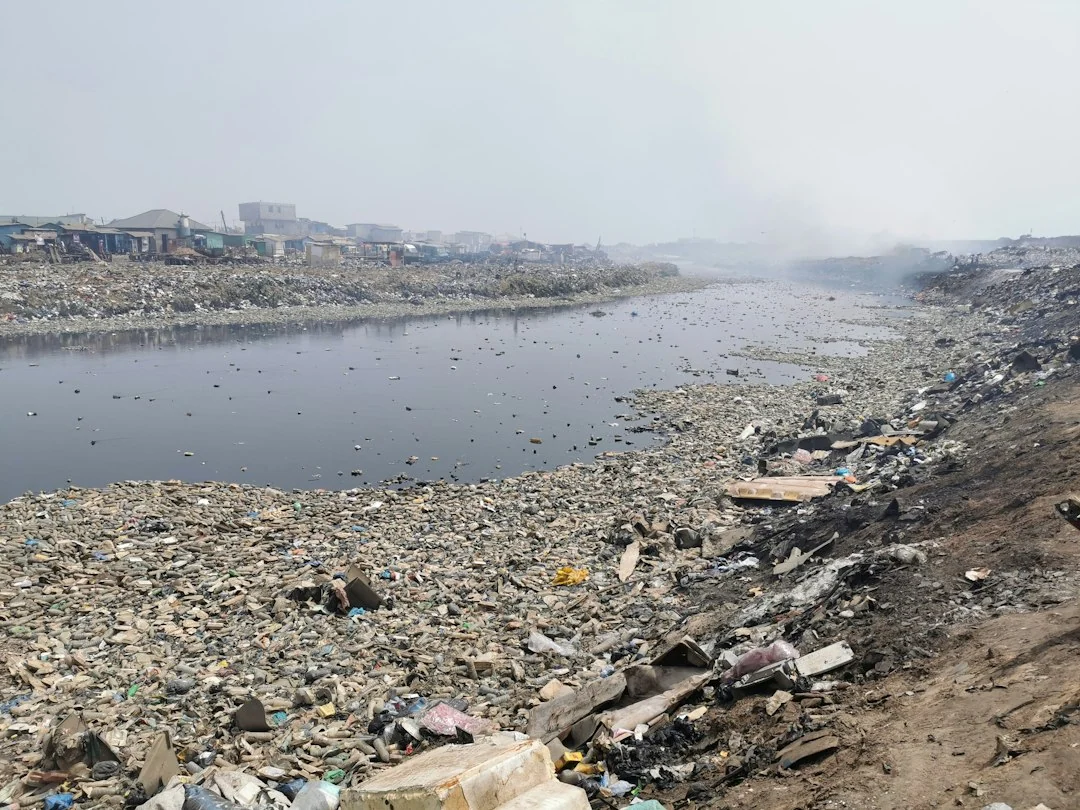
PFAS contamination can originate from several sources. Industrial sites where PFAS are manufactured or used are primary contributors. Additionally, PFAS can be released into the environment from landfill sites where products containing these chemicals are disposed of.
Firefighting foams, often used in military and civilian airports, have been identified as significant sources of PFAS pollution. These foams are used to extinguish flammable liquid fires and can lead to contamination of soil and water bodies.

Regulatory Landscape
Given the growing concerns about PFAS, regulatory agencies around the world are taking action. In the United States, the Environmental Protection Agency (EPA) has set health advisories for specific PFAS compounds in drinking water. Similarly, the European Union has been working to restrict the use of PFAS under its REACH regulation.
These regulatory measures aim to reduce exposure and mitigate the environmental impact of PFAS, prompting industries to seek safer alternatives and develop effective treatment technologies.
PFAS Remediation Techniques
Environmental professionals are exploring various methods to remediate PFAS-contaminated sites. Common techniques include adsorption using activated carbon, ion exchange resins, and advanced oxidation processes. These methods aim to remove or destroy PFAS from contaminated water and soil.
Research is ongoing to develop more efficient and cost-effective remediation technologies. Innovations in this field are crucial for managing and reducing the environmental and health risks associated with PFAS.
Future Challenges and Opportunities
As awareness of PFAS grows, the demand for comprehensive solutions will increase. Environmental professionals will need to stay informed about the latest research and technological advancements in PFAS management.
Opportunities exist for developing alternative materials that do not rely on PFAS, as well as for improving detection and monitoring techniques. Collaboration between industry, regulators, and scientists will be essential to address the challenges posed by PFAS effectively.

Conclusion
Understanding PFAS and their impact on the environment is crucial for environmental professionals. By staying informed and proactive, these professionals can help mitigate the risks associated with PFAS, ensuring a safer and healthier environment for future generations.
Part of the EcoGuardian journal. This article retains its original publication context; references to grants, regulations, research, and services may have changed since publication.