
What are PFAS?
Per- and polyfluoroalkyl substances (PFAS) are a large group of human-made chemicals that have been used in various industries worldwide since the 1940s. They are known for their resistance to heat, water, and oil. This unique characteristic has made them popular in consumer products like non-stick cookware, water-repellent clothing, and firefighting foams. However, PFAS are often referred to as "forever chemicals" due to their persistence in the environment and the human body.

Sources of PFAS Contamination
PFAS can enter the environment through several pathways. Industrial sites, wastewater treatment plants, and landfills are common sources. Once released, they can contaminate soil, water, and air, leading to widespread environmental distribution. These chemicals can also be found in food packaging, household products, and even in biosolids used as fertilizers.
Contamination in Water Sources
One of the most concerning aspects of PFAS contamination is their presence in drinking water. Due to their chemical stability, PFAS can travel long distances in water and have been detected in water supplies across the globe. This poses significant challenges for environmental professionals tasked with ensuring safe drinking water standards.
Health Impacts of PFAS
Research has linked PFAS exposure to several adverse health effects. These include an increased risk of cancer, hormone disruption, immune system effects, and developmental issues in infants and children. The bioaccumulative nature of PFAS means that even low-level exposures over time can lead to significant health risks.
Regulatory Actions
Governments and environmental agencies are increasingly recognizing the need to regulate PFAS. In recent years, several countries have implemented guidelines and standards to limit PFAS levels in drinking water and other environmental media. However, the regulatory landscape is still evolving, with ongoing research needed to fully understand the scope of PFAS impacts.

Strategies for Managing PFAS
Addressing PFAS contamination requires a multifaceted approach. Environmental professionals can employ several strategies, including:
- Identifying and controlling sources of PFAS emissions.
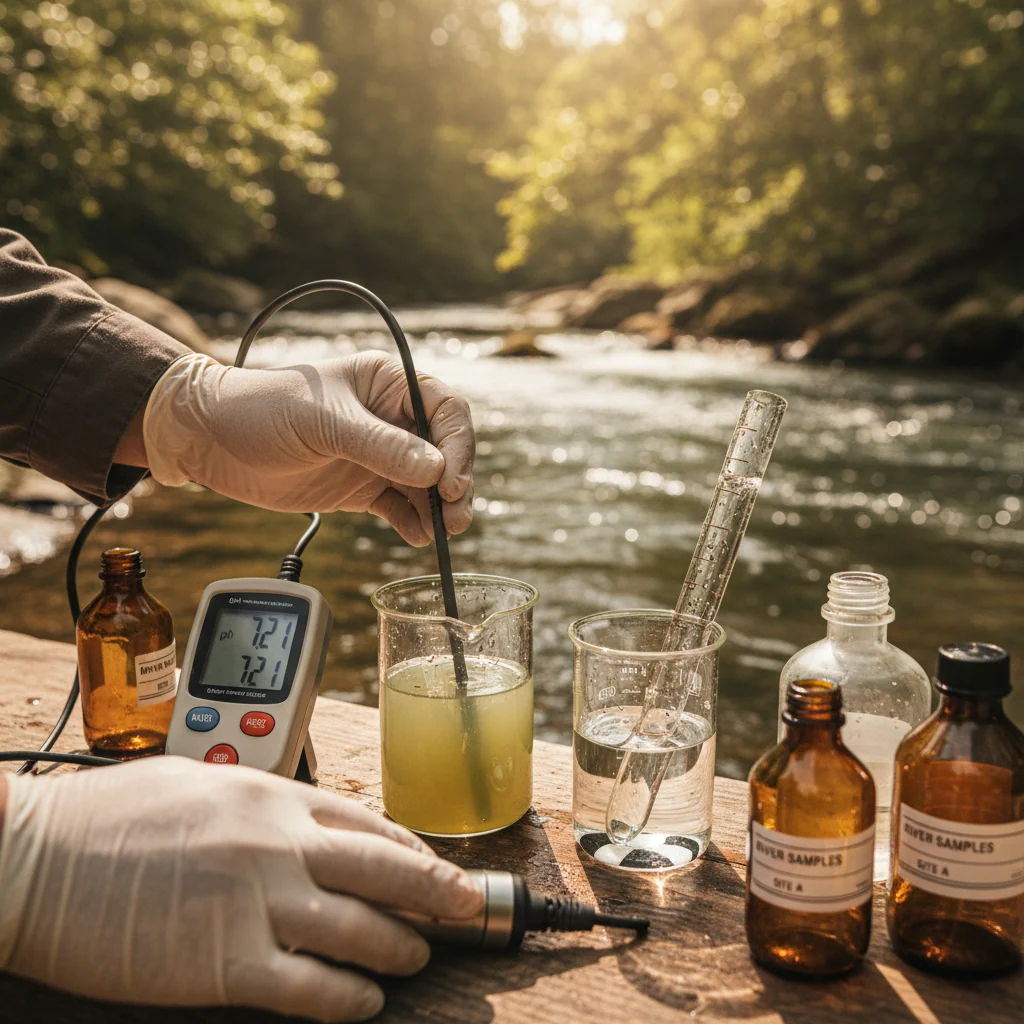
- Monitoring and assessing PFAS levels in the environment.
- Implementing treatment technologies like activated carbon and ion exchange to remove PFAS from water.
Innovative Remediation Techniques
Emerging technologies are also being developed to tackle PFAS contamination. These include advanced oxidation processes and new filtration methods. Collaboration between researchers, industries, and policymakers is crucial to develop effective solutions for PFAS remediation.

Conclusion
Understanding and managing PFAS is essential for protecting human health and the environment. As research progresses, it will be vital for environmental professionals to stay informed about the latest developments in PFAS science and regulation. By adopting comprehensive strategies, we can mitigate the risks associated with these persistent chemicals and ensure a healthier future.
Part of the EcoGuardian journal. This article retains its original publication context; references to grants, regulations, research, and services may have changed since publication.