Understanding PFAS Contamination
Per- and polyfluoroalkyl substances (PFAS) have become a significant concern in water management due to their persistent nature and potential health risks. These man-made chemicals are found in a wide range of products, making their way into water supplies. Walton County is not immune to this issue, and addressing PFAS contamination has become a priority for local authorities and environmental agencies.

Health and Environmental Impacts
The presence of PFAS in water sources poses serious health risks, including cancer, liver damage, and immune system effects. These chemicals are known for their resistance to natural degradation, leading to long-term environmental impacts. As such, it’s essential to implement effective water management strategies to mitigate these risks and protect community health.
Environmental agencies in Walton County are working tirelessly to monitor and address PFAS levels. The focus is on both immediate interventions and long-term solutions to ensure safe and clean water for all residents.
Strategies for Water Management
Implementing effective water management strategies is crucial for tackling PFAS contamination. Here are some approaches being considered in Walton County:
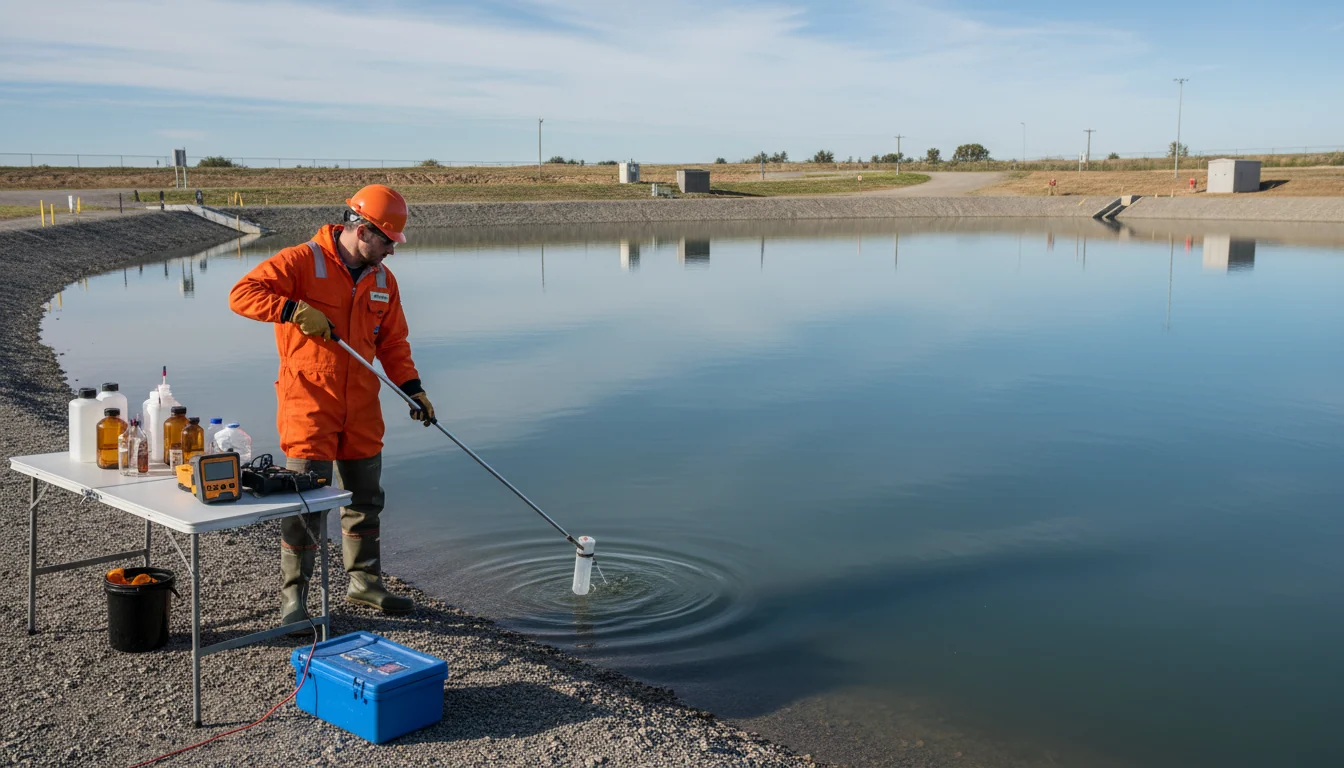
- Regular Monitoring: Conducting frequent water testing to assess PFAS levels and identify contamination sources.
- Advanced Filtration: Utilizing state-of-the-art filtration systems, such as granular activated carbon and reverse osmosis, to remove PFAS from water supplies.
- Public Awareness: Educating the community about PFAS risks and preventive measures.

Collaborative Efforts
Addressing PFAS contamination requires a collaborative approach. Local government agencies, environmental organizations, and community members are coming together to create comprehensive action plans. By sharing resources and expertise, they aim to develop sustainable solutions that can be implemented efficiently.
Public workshops and community meetings are being held to keep residents informed and engaged in the decision-making process. This collaborative effort ensures that everyone has a voice in shaping the future of water management in Walton County.
The Role of Technology
Innovative technologies are playing a vital role in combating PFAS contamination. Advanced detection methods are being developed to pinpoint contamination sources more accurately. These technologies are not only improving response times but also helping in devising more targeted solutions.

Moreover, research and development in the field of water purification are continually advancing, providing new tools and methods to tackle PFAS effectively. By staying at the forefront of technological advancements, Walton County is better equipped to handle contamination challenges.
Looking Ahead
While significant progress has been made in addressing PFAS contamination, ongoing efforts are crucial to ensure long-term water safety. Continued investment in research, community engagement, and infrastructure will be key to maintaining clean and safe water supplies in Walton County.
By adopting comprehensive water management strategies, Walton County is setting an example for other regions facing similar challenges. The journey towards eliminating PFAS contamination is ongoing, but with determination and collaboration, a safer future is within reach.
Part of the EcoGuardian journal. This article retains its original publication context; references to grants, regulations, research, and services may have changed since publication.