
Understanding PFAS and Their Impact
Per- and polyfluoroalkyl substances (PFAS) are synthetic chemicals widely used in various industrial applications and consumer products. These chemicals are known for their persistence in the environment and resistance to degradation, earning them the nickname "forever chemicals." In Walton County, addressing PFAS contamination in water sources is a pressing concern due to its potential health risks.
Exposure to PFAS has been linked to several health issues, including increased cholesterol levels, changes in liver enzymes, and increased risk of certain cancers. As a result, effective water management strategies are crucial to mitigate these risks and ensure safe drinking water for the community.

Current Water Management Practices
Walton County has implemented several water management practices to address PFAS contamination. These include monitoring water quality, upgrading treatment facilities, and collaborating with environmental agencies. By regularly testing water sources, the county can identify PFAS presence and take necessary actions to minimize exposure.
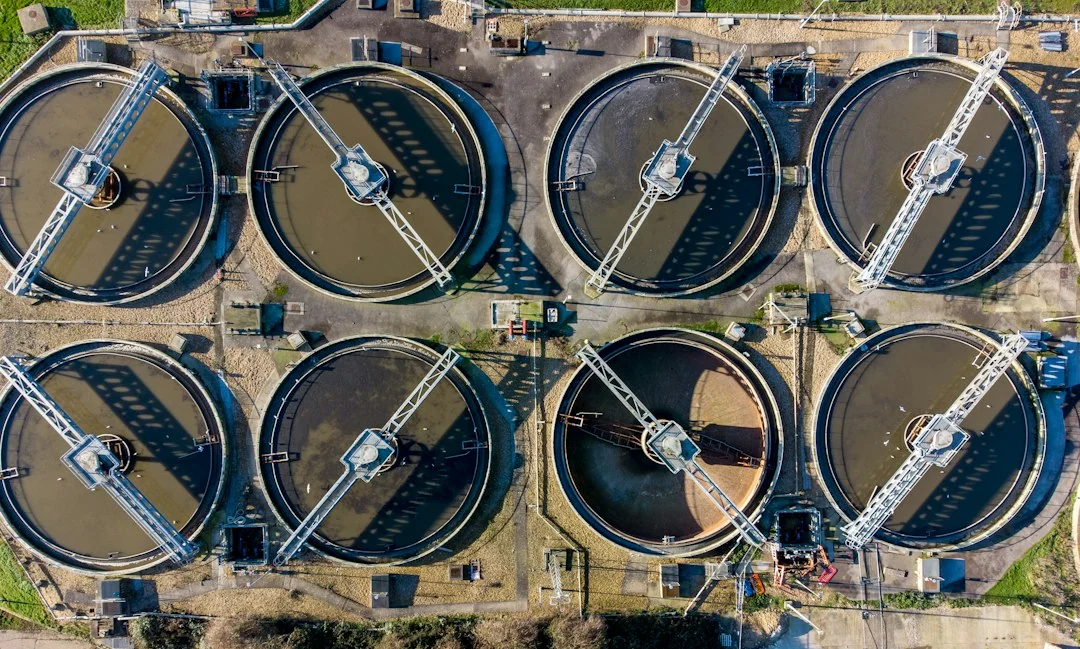
Advanced filtration systems have been installed in local water treatment plants. These systems are designed to remove PFAS compounds from the water supply, ensuring that residents have access to safe and clean water. Continuous investment in these technologies is essential to keep up with evolving environmental challenges.
Community Involvement and Education
Community involvement plays a significant role in successful water management. Walton County conducts public awareness campaigns to educate residents about PFAS and the importance of water conservation. These initiatives empower individuals to make informed decisions about water usage and disposal of hazardous materials.
Workshops and seminars are organized to provide valuable insights into PFAS-related issues and the steps residents can take to reduce their impact on the environment. By fostering a sense of responsibility, the county aims to create a collaborative approach to water management.

Future Strategies and Innovations
Looking ahead, Walton County is exploring innovative strategies to enhance water management. Research into alternative filtration technologies and sustainable practices is underway. The county is also considering partnerships with research institutions to develop new solutions for PFAS removal.
Investing in cutting-edge technology and infrastructure is key to maintaining water quality. By staying ahead of potential threats, Walton County aims to set a precedent for proactive water management that other regions can emulate.
Collaborative Efforts and Policy Support
Collaboration with state and federal agencies is crucial for comprehensive PFAS management. Walton County actively participates in policy discussions to advocate for stricter regulations on PFAS usage and disposal. This collective effort ensures that the community's interests are represented at higher levels of government.
Policy support can drive funding and resources towards essential water management projects. By aligning local efforts with broader initiatives, Walton County can amplify its impact and secure a safer future for its residents.

Conclusion
Addressing PFAS challenges in Walton County requires a multifaceted approach that combines technology, community engagement, and policy advocacy. By implementing effective water management strategies, the county aims to safeguard its water resources and protect public health. Continuous adaptation and innovation are essential to overcome the evolving challenges posed by PFAS and ensure a sustainable water future.
Part of the EcoGuardian journal. This article retains its original publication context; references to grants, regulations, research, and services may have changed since publication.